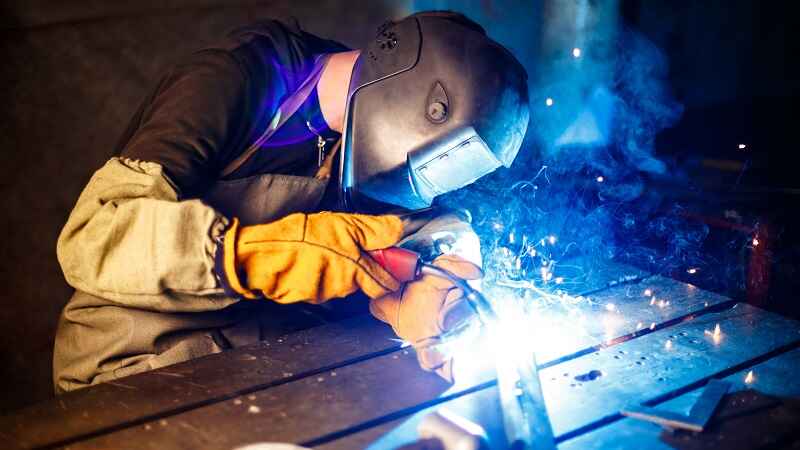
Welding is one of the most essential skills in modern construction, manufacturing, and repair work. From building bridges and skyscrapers to fixing household items, welding plays a critical role in shaping the world around us. If you are new to this field, understanding the fundamentals can feel overwhelming. However, with the right guidance, welding basics can be learned step by step.
In this comprehensive guide, we will break down everything you need to know about welding in a simple and easy-to-understand way.
What is Welding?
Welding is a fabrication process that involves joining two or more pieces of metal (or thermoplastics) by applying heat, pressure, or both. The heat melts the material, and as it cools, it forms a strong joint.
Unlike other joining methods like bolting or riveting, welding creates a permanent bond. This makes it highly reliable and widely used across various industries.
Why Learn Welding?
Learning welding can open doors to many opportunities. Whether you want to pursue it as a career or simply use it for DIY projects, welding is a valuable skill.
Key Benefits:
- High demand in industries like construction and manufacturing
- Opportunity to start your own business
- Useful for home repairs and creative projects
- Good earning potential for skilled welders
Types of Welding Processes
There are several welding methods, but beginners should focus on the most common ones:
1. MIG Welding (Metal Inert Gas)
MIG welding is one of the easiest methods to learn. It uses a wire electrode that feeds automatically through a welding gun.
Advantages:
- Easy to learn
- Clean welds
- Suitable for beginners
2. TIG Welding (Tungsten Inert Gas)
TIG welding produces high-quality, precise welds. It requires more skill and control.
Advantages:
- Strong and clean welds
- Ideal for thin materials
- Professional finish
3. Stick Welding (Shielded Metal Arc Welding)
Stick welding is a traditional and versatile method. It works well outdoors and in rough conditions.
Advantages:
- Works on dirty or rusty metals
- Simple equipment
- Cost-effective
Essential Welding Equipment
Before you start welding, you need the right tools and safety gear.
Basic Equipment:
- Welding machine
- Electrodes or filler material
- Welding helmet
- Gloves
- Protective clothing
- Clamps and workbench
Safety should always be your top priority when working with welding tools.
Welding Safety Tips
Welding involves high temperatures, sparks, and harmful fumes. Following safety precautions is crucial.
Important Safety Measures:
- Always wear a welding helmet with proper shading
- Use gloves and flame-resistant clothing
- Work in a well-ventilated area
- Keep flammable materials away
- Never look directly at the arc without protection
Ignoring safety rules can lead to serious injuries, so never take shortcuts.
Understanding Welding Joints
Welding joints refer to how two pieces of metal are positioned before welding.
Common Types:
- Butt Joint – Two pieces aligned in the same plane
- Lap Joint – One piece overlaps another
- T-Joint – One piece placed perpendicular to another
- Corner Joint – Pieces meet at a corner
Learning these joints helps you create stronger and more effective welds.
Basic Welding Techniques
To achieve a good weld, you need proper technique and control.
Key Techniques:
- Maintain a steady hand
- Keep a consistent speed
- Control heat input
- Use the correct angle
Practice is essential. The more you weld, the better your skills will become.
Common Welding Mistakes to Avoid
Beginners often make mistakes, but understanding them can help you improve quickly.
Mistakes to Watch Out For:
- Incorrect heat settings
- Poor joint preparation
- Moving too fast or too slow
- Lack of proper safety gear
- Weak penetration
Learning from mistakes is part of the welding journey.
Materials Used in Welding
Different materials require different welding approaches.
Common Materials:
- Steel (most common)
- Stainless steel
- Aluminum
- Cast iron
Each material has unique properties, so it’s important to adjust your technique accordingly.
The Role of Practice in Welding
Welding is a skill that improves with hands-on experience. Reading about it is helpful, but real progress comes from practice.
Start with simple projects like:
- Joining small metal pieces
- Repairing tools
- Building basic frames
As you gain confidence, you can move on to more advanced tasks.
Career Opportunities in Welding
Welding is not just a skill—it can be a full-time profession.
Career Options:
- Construction welder
- Pipe welder
- Automotive welder
- Underwater welder
- Fabrication specialist
With experience and certification, welders can earn competitive salaries worldwide.
Modern Trends in Welding
The welding industry is evolving with new technologies and techniques. Automation, robotics, and advanced materials are shaping the future of welding.
Companies like Evolution Weldings are contributing to innovation by improving efficiency, safety, and precision in welding processes. This shows how the field continues to grow and adapt to modern demands.
Tips for Beginners
If you’re just starting, keep these tips in mind:
- Start with MIG welding for easier learning
- Practice regularly
- Focus on safety first
- Learn from experienced welders
- Watch tutorials and read guides
Consistency is the key to mastering welding.
Conclusion
Welding may seem complex at first, but with the right approach, it becomes much easier to understand and master. By learning the basics, choosing the right tools, and practicing regularly, anyone can develop strong welding skills.
Whether you want to build a career or simply handle DIY projects, welding is a powerful and rewarding skill. Start small, stay safe, and keep improving—your journey into welding has just begun.