Most developers and designers don’t notice burnout until the work itself starts breaking down. Code that should take an hour stretches into the afternoon. The Figma file sits open while attention drifts somewhere else. Sleep gets shallow. Caffeine stops doing much.
The fix usually isn’t another productivity tool. It’s something physical. Programs that match specific techniques to specific tension patterns tend to do more than a one-off session ever could. BB Massage and Float wellness spa services is one example of a provider that organizes its spa treatment modalities around what long screen hours actually do to the body.
What Long Hours of Screen Work Do to the Body
Sustained focused work on a screen produces a fairly predictable pattern. Shoulders pull forward. The neck holds a fixed posture for hours. Hip flexors shorten. Eye muscles fatigue from constant near-focus. Breathing goes shallow without anyone noticing.
The World Health Organization classified burnout as an occupational phenomenon in 2019, framing it as chronic workplace stress that hasn’t been managed well. The Mayo Clinic’s overview on job burnout notes that prolonged stress can show up as headaches, fatigue, sleep disruption, and a general drop in immune function over time.
Which means burnout often shows up physically as much as mentally.
Why Spa Modalities Belong in the Conversation
Massage and floatation therapy aren’t presented here as a cure. They target two things knowledge workers tend to struggle with: chronic muscular tension and an autonomic nervous system that won’t downshift on its own.
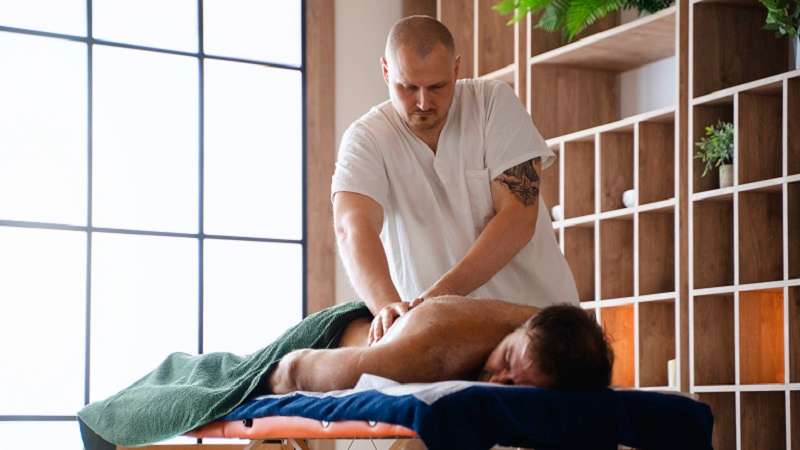
A weekend off can lift the mood. It rarely undoes months of held tension across the upper back, jaw, forearms, and lower spine. Hands-on bodywork reaches that layer in a way rest alone often doesn’t. Spa programs that group modalities into a coordinated plan, rather than offering one-off sessions, are aimed at supporting more consistent recovery habits for people in chronic stress states.
Massage Modalities Commonly Found on Spa Treatment Menus
Different patterns of tension respond to different approaches. The modalities below come up often in spa treatment menus and map well to what tech workers tend to deal with.
Swedish massage. Long, flowing strokes often associated with relaxation and reduced stress. A reasonable starting point for someone whose main complaint is “I can’t relax anymore.”
Deep tissue massage. Slower, firmer pressure that works into deeper muscle layers. Useful for the build-up around shoulders, traps, and lower back after months at a desk. Some soreness afterward is normal.
Trigger point therapy. Targets specific knots that refer pain elsewhere. The classic example is a knot in the upper trap producing what feels like a tension headache. Releasing the trigger point may help reduce referred tension headaches.
Therapeutic or sports-style massage. Often blends techniques and focuses on functional recovery. Helpful for people who lift, run, or cycle to manage stress and end up stiff from that too.
The right modality depends on what the body is actually doing. Spa programs that include consultation before booking tend to match treatments to the issue rather than working through a default sequence. These approaches reflect the kind of structured spa treatments offered in professional wellness settings, including the spa treatment menu at BB Massage and Float, where modalities are organized as a coordinated set of services rather than standalone bookings.
Floatation Therapy and the Case for Sensory Quiet
Floatation-REST (Reduced Environmental Stimulation Therapy) places a person in a tank of water saturated with Epsom salts. The water buoyancy supports the body so the spine isn’t loaded. Light and sound are removed.
Some studies suggest float sessions may lower self-reported anxiety and reduce perceived stress, with smaller research pointing toward possible reductions in stress hormones like cortisol. The evidence base is still developing, and most studies are small, so it’s worth treating the practice as promising rather than settled.
What makes float therapy interesting for digital creatives specifically is the sensory component. Tech work runs on constant input. Notifications, screens, audio, haptics, parallel tasks. A float session removes nearly all of that for an hour. Some people fall asleep during sessions. Others report unexpectedly clear thinking on problems they’d been chewing on for weeks.
First sessions can feel strange. Most people settle in by the second or third visit.
Combining Modalities Into a Recovery Plan
Booking a one-off massage when burnout has already taken hold helps a little. Building a regular schedule across modalities tends to work better.
Consistent recovery habits tend to build on each other over time. A monthly massage maintains a baseline. Pairing it with periodic float sessions may help create repeated opportunities for relaxation and stress reduction. Layering in stretching or movement work between visits keeps progress from sliding back. Spa programs that organize these into a coordinated plan, rather than selling each session in isolation, are designed to support more consistent recovery patterns for chronic stress and screen-related tension.
Asking about treatment plans, modality combinations, and visit frequency is a fair conversation to have at the front desk. Anyone offering a structured program should be willing to walk through it.
Where Spa Treatments Fit, and Where They Don’t
Spa modalities aren’t a substitute for medical care. Persistent insomnia, low mood that lasts weeks, panic symptoms, or thoughts of self-harm need a clinician, not a treatment table.
For the chronic, hard-to-switch-off kind of burnout that hits people in tech regularly, hands-on bodywork and floatation therapy can be a useful part of a recovery plan. They address the parts of burnout that won’t yield to a long weekend or another mindfulness app. Recovery tends to work best when it’s consistent rather than occasional.