
Table of Contents
- Freestanding Bathtubs
- Soaking Tubs
- Jetted Bathtubs
- Walk-In Tubs
- Bathtub Materials
- Cost Considerations
- Installation Process
- Maintenance Tips
- Conclusion
Revitalizing your bathroom is one of the most effective ways to enhance your home’s value and comfort. Among the most transformative updates is replacing an old bathtub with a stylish new one. Today’s market offers a range of bathtub replacements, allowing homeowners to find the perfect fit for both function and design. Whether your goal is to create a spa-like oasis or replace a worn-out fixture, understanding the latest options is key to making a confident choice. Factors like shape, size, material, and installation affect your decision. Modern bathtubs cater to a range of needs, budgets, and styles. With the right approach, your bathtub upgrade can improve your daily life and boost your home’s value. Before deciding, consider your priorities, comfort, maintenance, or accessibility. Exploring options and considerations helps you start your remodel with clarity. This guide covers popular bathtub types, material differences, costs, and maintenance tips for a beautiful, functional bath.
Freestanding Bathtubs
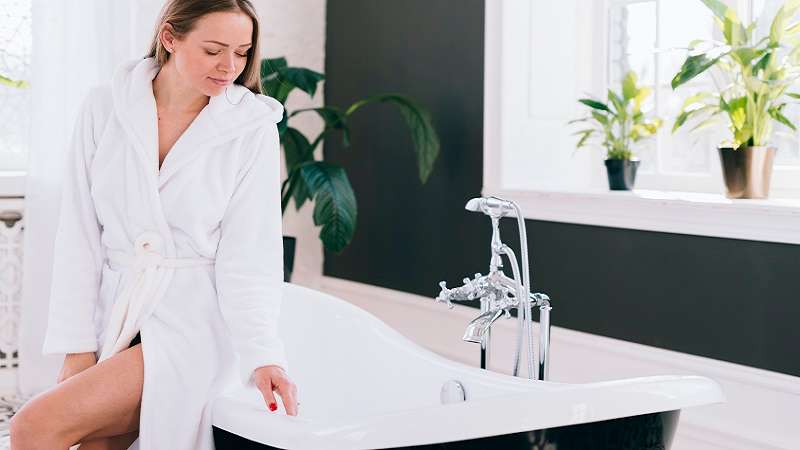
Freestanding bathtubs are often the centerpiece of a modern bathroom renovation. These standalone tubs do not rely on wall support, offering designers and homeowners flexibility when positioning the tub within the space. Available in a wealth of classic and contemporary shapes, freestanding tubs range from vintage-inspired clawfoot designs to bold, sculptural modern styles that command attention. The result is a luxurious, customizable bathroom feature that elevates both decor and the bathing experience.
Soaking Tubs
If deep relaxation is your goal, soaking tubs offer a blissful escape. These tubs are distinguished by their generous depth, allowing you to submerge your entire body and unwind in comfort. Soaking tubs are available as both freestanding and built-in options, making them suitable for a wide variety of bathroom layouts. Their uncluttered design is perfect for those who want a spa-like experience at home.
Jetted Bathtubs
For homeowners seeking therapy or relaxation, jetted bathtubs (also known as whirlpool tubs) are an ideal choice. By incorporating adjustable jets, these bathtubs offer targeted massages that can relieve muscle soreness and joint pain, making them popular among athletes and those with mobility issues. Maintenance is higher than with standard tubs, as the jets must be cleaned regularly to maintain performance and hygiene.
Walk-In Tubs
Walk-in tubs provide safety and accessibility for those with mobility concerns. Equipped with a watertight door, built-in seat, and sturdy handrails, these tubs are designed to be entered easily without stepping over a high lip. For seniors and people with limited movement, a walk-in tub offers independence and peace of mind without sacrificing comfort or style.
Bathtub Materials
The right bathtub material enhances durability, aesthetics, and ease of maintenance. Here are the most common options:
- Acrylic: Lightweight, insulating, and available in a wide array of shapes and colors, acrylic is a versatile choice. This material is easy to clean and resists chipping.
- Cast Iron: Exceptionally sturdy, cast iron tubs feature a porcelain enamel finish and offer outstanding heat retention. However, they require reinforced flooring due to their weight.
- Fiberglass: An economical option, fiberglass tubs are lightweight and easy to install, but are more prone to scratching and fading over time.
- Stone Resin: These tubs boast a luxurious feel and striking appearance while providing excellent heat retention and impact resistance.
Cost Considerations
Budget is a significant factor when selecting a new bathtub. The replacement cost can range from $1,500 up to $8,000, depending on the material and complexity of the installation. Standard bathtub swaps, which involve replacing an old tub with a similarly sized new one, generally fall between $2,000 and $3,000 and include labor, disposal, and standard plumbing. Higher-end materials such as cast iron, custom jetted models, or walk-in tubs increase the price, especially when paired with extra features like custom tiles or luxury hardware. Additional expenses can include large-format showers, intricate tile work, or enhanced accessibility modifications.
Installation Process
Replacing a bathtub is a multi-step process that requires careful planning and execution for the best results:
- Remove the Existing Tub: Start by disconnecting the plumbing and removing the old bathtub. Take care not to damage surrounding surfaces or fixtures.
- Prep the Installation Site: Inspect the floor and walls for water damage. Make repairs and clean the area completely before moving forward.
- Install the New Bathtub: Position the tub for a proper fit, connect all plumbing components, and anchor the unit as needed.
- Add Finishing Touches: Seal gaps with caulk, install optional upgrades, then test fixtures and drains for leaks or issues.
Maintenance Tips
Preserve your new bathtub’s condition and functionality by following these maintenance best practices:
- Clean Regularly: Use non-abrasive, gentle cleaners to prevent scratches and stains.
- Repair Promptly: Address chips and cracks promptly to minimize further damage.
- Ventilate the Bathroom: Adequate ventilation reduces the risk of mold and mildew buildup, especially in humid climates.
- Avoid Harsh Chemicals: Steer clear of bleach and abrasive products, which can erode the finish and shorten your tub’s lifespan.
Replacing your bathtub is an investment in both comfort and home value. By exploring a variety of contemporary options and understanding the considerations involved in selection and installation, you can achieve a bathroom upgrade that is both elegant and practical.
Conclusion
Choosing the right bathtub involves balancing style, comfort, functionality, and budget. Whether you prefer the elegance of a freestanding tub, the therapeutic benefits of a jetted model, or the accessibility of a walk-in design, today’s options offer solutions for every lifestyle. By selecting high-quality materials, planning proper installation, and following regular maintenance practices, you can enjoy a beautiful, durable bathtub that enhances your daily routine and your home’s long-term value.