
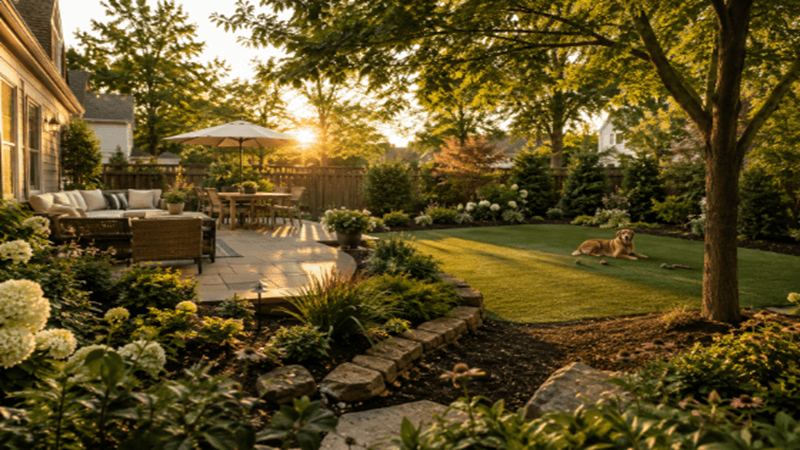
Key Takeaways
- Start with how your household actually uses the backyard.
- Create clear zones for pets, play, dining, relaxing, and planting.
- Match every surface to its traffic, drainage, comfort, and cleaning needs.
- Plan shade, storage, lighting, and water access before construction begins.
- Use site-appropriate plants to add privacy and texture with less upkeep.
Mullica Hill homes often have room for more than a single open lawn. A thoughtful backyard can support dogs, children, weekend meals, gardening, and quiet evenings without creating an endless list of chores. The key is to design around daily routines, site conditions, and the parts of the yard that receive the most traffic. For homeowners weighing durable surface options, artificial grass in Mullica Hill can be part of a targeted plan rather than a whole-yard replacement. ForeverLawn South Jersey serves Mullica Hill and surrounding South Jersey communities with specialized turf systems for landscape areas, pets, playgrounds, and putting greens, helping property owners compare solutions for high-use spaces where natural grass may become muddy, worn, or difficult to maintain.
Why Backyard Design Is Changing
Many homeowners now treat the backyard as an extension of the home rather than an area that only needs mowing. In Mullica Hill, where larger lots can create both opportunity and extra maintenance, a more useful approach is to reduce underused lawn, strengthen active areas, and make room for gathering spaces. Low-maintenance does not mean bare or generic. It means each feature has a purpose and is practical to care for.
Start With a Simple Use Plan
Before selecting pavers, turf, furniture, or plants, write down what the yard needs to do each week. Rank the uses that matter most, then let those priorities guide the layout.
- Daily pet access and cleanup.
- Children’s play and open movement.
- Outdoor meals, grilling, and guests.
- Quiet seating, gardening, or container planting.
- Storage for toys, tools, cushions, and equipment.
A household with active dogs may need a direct route from the back door to a washable pet area. A household that entertains may benefit more from a larger patio, shade, and nearby serving space.
Divide the Yard Into Practical Zones
Zones make a backyard easier to use and can make a large property feel more intentional. Keep sightlines open from the house toward areas where children and pets spend time.
- Play zone: A visible, comfortable area with room for flexible games.
- Pet zone: A secure section with shade, drainage, water access, and easy cleanup.
- Entertaining zone: A patio, deck, or dining area close to the home.
- Quiet zone: A bench, chairs, or small retreat screened by planting.
- Green zone: Beds, containers, trees, or a compact vegetable garden.
Choose Surfaces Based on Use
No material is ideal everywhere. Compare options based on heat, traction, drainage, maintenance, and the people or animals who use the space.
- Natural grass: Soft and familiar, but may require mowing, watering, reseeding, and repair in high-traffic areas.
- Artificial turf: Can suit selected pet runs, play spaces, patio borders, and other heavily used sections when the base, drainage, and cleaning plan are handled properly.
- Pavers: Useful for patios, walkways, dining areas, and stable furniture placement.
- Mulch: Works well in planting beds but can move around under active paws and feet.
- Gravel: Can be low-maintenance for paths, although stone size and comfort should be considered.
- Decking: Creates an elevated entertaining area but still needs routine inspection and cleaning.
Build Better Pet and Play Areas
Pet-friendly design involves more than a tough surface. Include secure fencing, a dependable gate, shade, a water station, and a hose connection or other convenient cleaning point. Avoid plants that could be unsafe for animals, and keep pathways clear between the door and the pet area. For children, choose stable ground, keep equipment away from sharp edges and standing water, and maintain clear supervision in common indoor areas. A smaller play area with shade from a tree, an umbrella, a sail, or a covered structure can be more useful than a large section that is hard to monitor or maintain.
Use Plants for Texture Without Extra Work
Planting gives the yard shade, privacy, seasonal interest, and a softer transition between activity areas. Choose plants according to sun exposure, soil moisture, mature size, and deer pressure. Group plants with similar water needs, leave room for mature growth, and use mulch or ground covers to limit exposed soil. Rutgers guidance on native plants in residential landscapes can help Mullica Hill homeowners evaluate choices suited to New Jersey conditions.
Design for Drainage, Shade, and Storage
Drainage should be reviewed before any new patio, turf, or planting bed is installed. Watch where water collects after rain, check downspout discharge, and keep active areas out of persistently wet locations. Rain gardens, along with careful grading and landscaping, can help control runoff, which is especially useful when planning surfaces near the home. Add comfort through layered shade, low-glare path lighting, movable seating, and storage benches or deck boxes. Keeping toys, tools, and cushions close to where they are used makes cleanup faster and helps the yard stay ready for guests.
A Simple Backyard Planning Process
- Measure the property, including gates, slopes, trees, and structures.
- Track sunny, shaded, wet, and high-traffic areas.
- Rank the uses that matter most to your household.
- Sketch zones and routes for people, pets, and equipment.
- Select surfaces that fit each zone’s needs.0
- Add planting for privacy, shade, texture, and seasonal interest.
- Complete the most useful area first if the project will happen in stages.
Common Questions
Does a low-maintenance backyard need to be mostly hardscape?
No. A balanced yard can include planting beds, trees, paths, seating, lawn, and durable alternatives. The goal is to avoid maintaining features that do not serve the household.
How much lawn should a Mullica Hill backyard have?
There is no universal amount. Keep enough open lawn for the activities you value, then consider converting underused or repeatedly damaged areas into more functional zones.
What is the best first step for an upgrade?
Observe the yard for one typical week and after a heavy rain. That often reveals where better drainage, shade, storage, stronger surfaces, or clearer separation would make the biggest difference.
Conclusion
A functional backyard in Mullica Hill starts with understanding how your household uses the space and choosing features that support those everyday routines. By creating clear zones for pets, play, dining, relaxation, and gardening, homeowners can make better use of their property without adding unnecessary maintenance. Durable surfaces, appropriate plants, reliable drainage, shade, lighting, and convenient storage all contribute to a yard that remains comfortable and practical throughout the seasons. For areas that experience heavy foot traffic, frequent pet use, or repeated wear, artificial turf may be worth considering as part of a broader landscape plan. ForeverLawn South Jersey offers specialized turf options for different outdoor applications, allowing homeowners to explore solutions suited to their needs. With thoughtful planning and a focus on long-term usability, a backyard can become a welcoming extension of the home that balances comfort, function, and manageable upkeep.