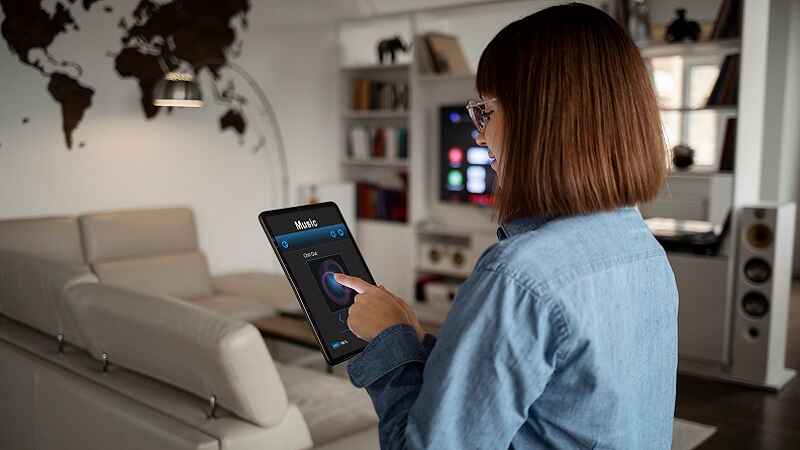
Introduction: The Rise of Smart Housing
Home automation is no longer a futuristic idea—it has become a practical and essential part of modern living. As technology continues to advance, homes are transforming into intelligent spaces that can think, respond, and adapt to the needs of their residents. Smart housing focuses on convenience, efficiency, security, and sustainability, all powered by automated systems. From voice-controlled lighting to AI-driven energy management, home automation trends are redefining how people live, work, and relax within their homes.
This article explores the most impactful home automation trends that are revolutionizing smart housing and shaping the future of residential living.
Smart Home Ecosystems: Everything Working Together
One of the biggest trends in home automation is the development of fully integrated smart home ecosystems. Instead of using isolated smart devices, modern homes now connect lighting, climate control, security, entertainment, and appliances into a single unified system.
These ecosystems allow homeowners to control multiple functions through one app or central hub. For example, a single command can dim lights, lock doors, adjust temperature, and activate security cameras. This level of integration improves usability and ensures that smart housing feels seamless rather than complicated.
Artificial Intelligence and Machine Learning in Homes
Artificial intelligence (AI) is transforming home automation by making smart homes truly intelligent. AI-powered systems learn user habits, preferences, and daily routines over time. This allows homes to anticipate needs instead of waiting for commands.
For instance, smart thermostats can learn when residents are home and automatically adjust temperatures to save energy. AI lighting systems can adapt brightness based on time of day or occupancy. This trend makes smart housing more personalized, efficient, and comfortable.
Voice-Controlled Automation for Hands-Free Living
Voice assistants have become a core feature of smart housing. Voice-controlled automation allows users to manage home functions without touching a switch or screen. Lighting, music, heating, reminders, and even kitchen appliances can be controlled using simple voice commands.
This trend improves accessibility, especially for elderly users or people with mobility challenges. Voice control also adds a level of convenience that fits perfectly with fast-paced modern lifestyles, making smart homes more user-friendly.
Smart Security Systems Enhancing Home Safety
Security is a top priority in smart housing, and automation has significantly improved home protection. Modern smart security systems include smart locks, video doorbells, motion sensors, and real-time surveillance cameras.
These systems allow homeowners to monitor their property remotely through smartphones. Alerts are sent instantly if suspicious activity is detected. Some advanced systems even use facial recognition and AI to distinguish between residents, guests, and potential intruders, making homes safer than ever.
Energy-Efficient Automation and Smart Power Management
Energy efficiency is one of the most important benefits of home automation. Smart housing trends focus heavily on reducing energy consumption while maintaining comfort.
Smart thermostats, automated lighting, and energy-monitoring systems help homeowners track and control power usage. Appliances can operate during off-peak hours, and lights can automatically turn off when rooms are empty. This not only lowers electricity bills but also supports environmentally friendly living.
Smart Lighting Systems for Comfort and Mood
Lighting automation has evolved beyond simple on-and-off controls. Smart lighting systems now offer customizable brightness, color temperature, and scheduling options.
Homeowners can create lighting scenes for different moods, such as relaxation, work, or entertainment. Automated lighting can also simulate natural daylight patterns, improving sleep quality and overall well-being. This trend enhances both comfort and aesthetics in smart housing.
Automated Climate Control and Smart HVAC Systems
Climate automation is revolutionizing indoor comfort. Smart HVAC systems adjust heating, cooling, and ventilation based on real-time data such as temperature, humidity, and occupancy.
These systems ensure optimal comfort while minimizing energy waste. Some smart homes even use weather forecasts to prepare indoor environments in advance. Automated climate control makes smart housing more adaptive and cost-effective.
Internet of Things (IoT) Expanding Smart Home Capabilities
The Internet of Things (IoT) plays a central role in home automation trends. IoT connects everyday household devices to the internet, allowing them to communicate and work together.
From refrigerators that track groceries to washing machines that suggest optimal cycles, IoT-enabled devices add intelligence to daily tasks. This connectivity transforms traditional homes into smart housing environments that are efficient, responsive, and data-driven.
Smart Kitchens and Automated Appliances
Kitchens are becoming smarter with automation and intelligent appliances. Smart ovens, refrigerators, and coffee machines can be controlled remotely and programmed to operate automatically.
Some smart appliances provide maintenance alerts, energy usage reports, and recipe suggestions. This trend simplifies cooking, reduces waste, and saves time, making smart kitchens a key component of modern smart housing.
Home Automation for Health and Wellness
Health-focused automation is an emerging trend in smart housing. Smart homes now include air quality monitors, automated purifiers, and humidity controllers to maintain a healthy indoor environment.
Sleep-tracking systems, smart beds, and lighting that supports circadian rhythms are also becoming popular. These technologies promote physical and mental well-being, turning homes into supportive living spaces rather than just shelters.
Remote Access and Mobile App Control
Remote home management is a defining feature of modern home automation. Mobile apps allow homeowners to control and monitor their homes from anywhere in the world.
Whether adjusting temperature, checking security cameras, or turning off forgotten appliances, remote access provides peace of mind and convenience. This trend is especially valuable for frequent travelers and busy professionals.
Smart Housing and Sustainable Living
Sustainability is deeply connected to home automation trends. Smart housing supports eco-friendly living by optimizing resource usage and reducing waste.
Automated water management systems detect leaks and control irrigation. Solar panel integration allows homes to monitor renewable energy production and usage. These features contribute to a greener future while reducing long-term costs.
Customization and User-Centered Design
Modern home automation systems focus heavily on customization. Smart housing solutions allow users to tailor settings based on personal preferences and lifestyles.
From personalized routines to adjustable automation rules, homes can now adapt to individual needs. This user-centered approach ensures that smart housing feels intuitive rather than overwhelming.
Challenges in Home Automation Adoption
Despite its benefits, home automation faces challenges. High initial costs, compatibility issues, and data privacy concerns can slow adoption.
However, ongoing innovation is addressing these issues through standardized platforms, improved cybersecurity, and more affordable devices. As technology matures, smart housing will become more accessible to a wider audience.
The Future of Home Automation and Smart Housing
The future of home automation is highly promising. Advancements in AI, 5G connectivity, and edge computing will make smart homes faster, smarter, and more reliable.
Future smart housing may include fully autonomous systems capable of self-maintenance and decision-making. As technology continues to evolve, homes will become active participants in improving quality of life.
Conclusion: A Smarter Way to Live
Home automation trends are revolutionizing smart housing by transforming homes into intelligent, efficient, and secure environments. From AI-driven systems to sustainable energy management, smart homes are designed to enhance comfort, safety, and convenience.
As these trends continue to evolve, smart housing will become the standard rather than the exception. Home automation is not just changing houses—it is redefining how people experience everyday living in the modern world.