
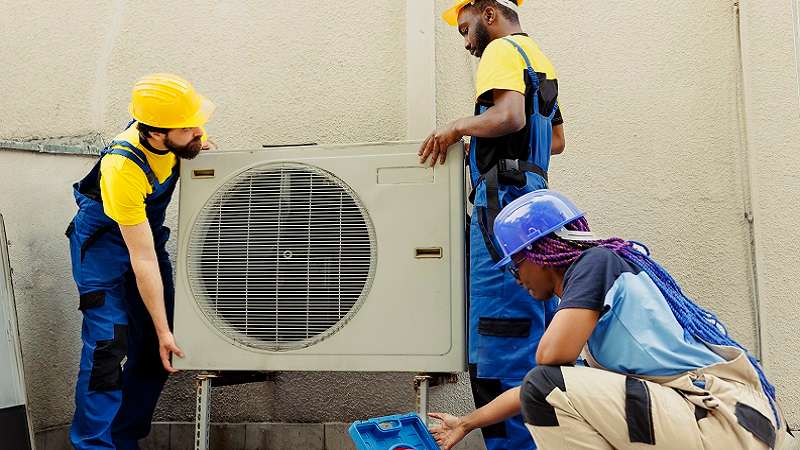
Maintaining your air conditioner is essential for smooth, effective operation during the sweltering summer months. A well-kept A/C unit not only saves on energy bills but also ensures comfort throughout the season. Proper A/C installation and regular maintenance together extend the lifespan of your system and help prevent costly repairs.
If you’re proactive about upkeep, you’ll avoid unexpected breakdowns when you need cool air the most. Even simple DIY care can make a substantial difference in efficiency and comfort levels.
Regularly Change Your Air Filter
Dirty or clogged air filters are the most common reason for A/C inefficiency. Over time, dust, pollen, and debris limit airflow, forcing your air conditioner to work harder. The result is higher energy consumption and compromised indoor air quality. Check your filter monthly, especially during heavy usage, and replace it every 1-3 months based on your home’s needs and local conditions. This quick replacement can drastically improve system performance and air cleanliness.
Keep the Coils Clean
Your air conditioner’s evaporator and condenser coils collect dirt over the months and years. Too much debris can insulate the coils and reduce their ability to absorb and release heat properly. For the outdoor unit, use a gentle stream of water to wash off the dirt; avoid pressure washers, because high pressure can bend fins and damage the system. For thorough indoor coil cleaning, professional servicing is recommended.
Ensure Proper Clearance Around the Outdoor Unit
Without enough open space, your outdoor unit struggles to exchange heat. Maintain at least two feet (24 inches) of space around the unit by trimming foliage and clearing away grass, leaves, and other yard debris. This not only helps efficiency but also prevents damage from overgrown plants or accidental blockages, improving airflow and extending the unit’s lifespan. For additional insight on landscaping near outdoor HVAC units, see these landscaping tips from Trane.
Use Ceiling Fans to Assist Cooling
Ceiling fans help circulate air, creating a breeze that makes you feel cooler. This air movement lets you set your thermostat a bit higher while maintaining comfort, resulting in significant savings over time. In summer, run your fans counterclockwise to push cool air down into the living spaces, amplifying your air conditioning’s effects without additional electrical load.
Adjust Your Thermostat When Away
If your home is empty during the day or for long stretches, increasing the thermostat by seven to ten degrees helps cut energy consumption. Programmable or smart thermostats make this adjustment easy, ensuring a comfortable temperature when you return. These devices can be set to raise or lower the temperature automatically, providing optimal comfort with minimal effort.
Schedule Annual Professional Maintenance
Yearly servicing from a certified HVAC technician can uncover problems before they escalate. Professionals examine refrigerant pressures, check electrical connections, clean coils, and lubricate motors to keep your system running smoothly. Routine checks help maintain efficiency and can help you avoid sudden breakdowns during peak cooling season.
Seal and Insulate Ductwork
Leaky or poorly insulated ducts can lose up to 30 percent of cooled air before it reaches your living areas. Regularly inspect ductwork for any visible leaks or tears, and seal them with mastic or specialized HVAC tape. Ducts that run through attics, basements, or garages benefit from added insulation that keeps conditioned air at the desired temperature all the way to its destination.
Manage Indoor Heat Sources
Large appliances, such as stoves and dryers, introduce unnecessary heat into the home. Use these devices early in the morning or late in the evening to avoid straining your A/C. Kitchen and bathroom exhaust fans can help vent unwanted heat and humidity. Drawing blinds and curtains during midday sun hours also helps keep your interior cooler.
Consistently following these simple yet effective strategies allows your air conditioner to work at peak efficiency, reducing your energy bills and preventing major repairs. In the long run, proactive care and maintenance keep your home comfortable and your cooling system in top shape for many summers to come.
Upgrade to Energy Efficient Units
If your A/C unit is more than 10-15 years old, consider upgrading to a modern, energy-efficient model. Newer units often come with advanced features such as variable-speed compressors and smart controls that further reduce energy usage and provide enhanced comfort. Energy Star certified units are designed to use up to 20% less energy than traditional models, which can significantly lower your utility costs over time. Even though the initial investment can be substantial, you’ll often recoup the difference through increased efficiency, lower repair costs, and manufacturer rebates or incentives. Investing in high-efficiency models also means quieter operation and more consistent indoor temperatures.
Monitor System Performance
Keep an eye out for signs of trouble, such as unusual noises, ice buildup, sudden spikes in energy bills, or uneven cooling throughout your home. Catching small issues early allows for easier, less costly fixes and means you’ll avoid uncomfortable or inconvenient breakdowns. Consider installing smart sensors or monitors that alert you to potential problems before they escalate. Additionally, watch for persistent problems like short cycling, where the unit turns on and off frequently, as this may indicate underlying inefficiencies or thermostat problems that should be addressed by a professional.
Improve Home Insulation and Sealing
In addition to taking care of your A/C unit, improving your home’s overall insulation can help sustain cool indoor air. Check for drafts around windows and doors and seal any leaks with weatherstripping or caulk. Consider adding insulation to your attic or exterior walls if your home is older or loses cool air quickly. Proper sealing and insulation reduce the workload on your air conditioner, saving energy and maintaining more consistent indoor comfort. Curtains, blinds, and shades serve as additional barriers against outside heat, especially during peak sun hours.
By following these comprehensive steps, homeowners maximize the value of their investment in home comfort. Remember, professional guidance and preventative care are the keys to lasting efficiency, comfort, and cost savings. A little attention throughout the year can make all the difference when the Florida heat is at its peak or when storms threaten your home’s systems More Read