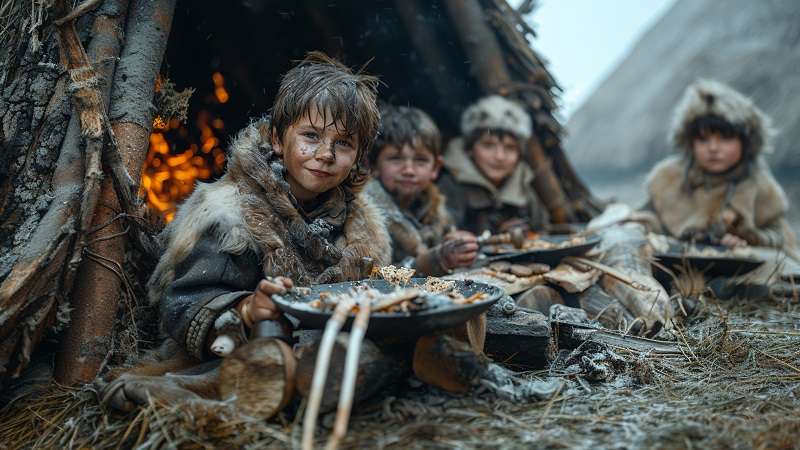
What if surviving a war is only the beginning of a child’s recovery journey?
When conflict forces children from their homes, humanitarian efforts rightly focus on immediate needs such as food, shelter, healthcare, and physical safety. But once those needs are met, another challenge begins: helping children recover from the emotional, social, and developmental effects of war.
Children are still growing, learning, and forming their understanding of the world around them. As a result, conflict can affect far more than their immediate safety. It can disrupt relationships, learning, confidence, and a sense of belonging.
This is where safe spaces become important. In humanitarian settings, safe spaces are structured environments where children can learn, play, build relationships, and receive support from trusted adults. UNICEF identifies child-friendly spaces as an important tool for supporting children’s protection, well-being, and development during emergencies. Source:
More than places of safety, these environments help children begin moving beyond survival and toward recovery.
1. Safe Spaces Help Children Feel Secure Again
Conflict can leave children feeling uncertain even after they reach safer environments.
Safe spaces provide consistency through:
- Predictable routines
- Trusted adult support
- Structured activities
- Stable environments
This sense of stability can help children gradually rebuild feelings of security and trust that may have been disrupted during conflict.
2. Safe Spaces Support Emotional Recovery
The effects of war are not always visible.
Many children affected by conflict experience anxiety, grief, fear, stress, or emotional distress long after immediate danger has passed.
According to the World Health Organization, humanitarian emergencies can significantly affect children’s mental health and psychosocial well-being.
Safe spaces often include activities that encourage self-expression, emotional support, and positive social interaction, helping children process difficult experiences in healthy ways.
3. Safe Spaces Help Restore Childhood Experiences
Conflict can interrupt many aspects of childhood that support healthy development.
Children may lose opportunities to:
- Play freely
- Build friendships
- Explore creativity
- Participate in normal routines
These experiences are important because they contribute to emotional well-being, social development, and confidence.
Safe spaces help restore elements of childhood that are often disrupted, giving children opportunities to engage in activities that support growth and development.
4. Safe Spaces Strengthen Protection and Support Systems
Children recovering from conflict may remain vulnerable to exploitation, abuse, neglect, and other protection concerns.
Safe spaces often operate as part of broader child protection programs in conflict zones, helping identify risks and connect children and families with additional support services.
UNICEF notes that effective child protection systems help reduce children’s exposure to violence, exploitation, abuse, and neglect.
By strengthening local support networks, safe spaces contribute to safer environments for children and their communities.
5. Safe Spaces Help Children Continue Learning and Developing
Learning remains important even during emergencies.
UNESCO highlights that education in crisis settings can provide protection, stability, and opportunities for future development.
Many safe spaces support development through activities that encourage:
- Communication skills
- Problem-solving
- Creativity
- Social learning
These opportunities help children continue building important life skills despite disruption.
6. Safe Spaces Help Restore Hope and Future Possibilities
Recovery is about more than overcoming past experiences. It is also about helping children believe in what comes next.
The Inter-Agency Standing Committee emphasizes the importance of supportive environments and psychosocial well-being in humanitarian recovery efforts. Source:
Safe spaces contribute to long-term recovery by helping children:
- Build confidence
- Strengthen relationships
- Develop resilience
- Reconnect with future goals
These outcomes help children see possibilities beyond the challenges they have experienced.
Closing Thoughts
The impact of war on children extends far beyond physical danger. Conflict can disrupt learning, emotional well-being, relationships, confidence, and the everyday experiences that shape childhood.
This is why child protection programs in conflict zones increasingly recognize safe spaces as a critical part of recovery. They provide more than protection alone, they create opportunities for children to reconnect, heal, learn, and grow.
A child’s future should not be defined by the conflict they experienced. Recovery becomes meaningful when children are given the support they need not only to survive, but to regain a sense of childhood, rebuild hope, and imagine what comes next.