Introduction
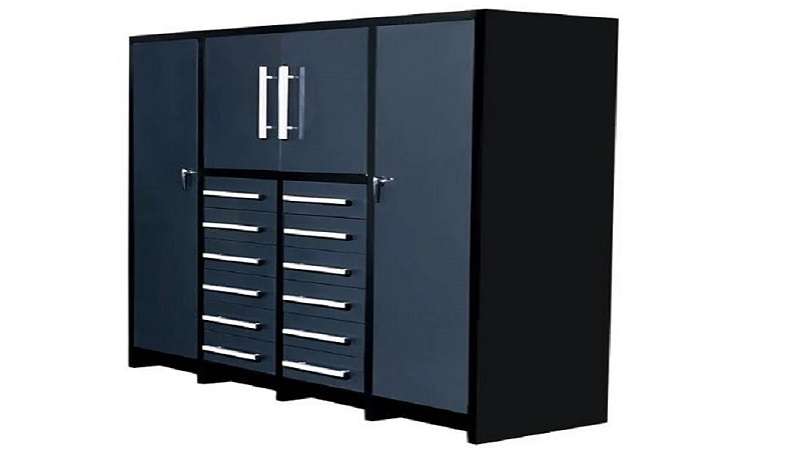
Across American automotive shops, industrial maintenance facilities, and home garages, tool organization directly affects productivity. Loose tools on workbenches cause clutter and increase search time. A TMG 80″ Tool Chest provides dedicated drawer storage for wrenches, sockets, screwdrivers, and other hand tools. American mechanics, technicians, and hobbyists use these cabinets to keep tools organized, accessible, and secure.
Common Applications and Storage Design
Tool chests are commonly used for:
- Automotive repair tool organization
- Industrial maintenance equipment storage
- Woodworking and metalworking tool management
- Electrical and plumbing tool organization
- Home garage workshop storage
Workspace Efficiency and Tool Access
Organized tool storage reduces time spent searching for tools. A mechanic working on a vehicle can lose minutes per repair locating a specific socket or wrench. With a designated drawer for each tool type, retrieval becomes nearly instantaneous. Over a day of repairs, these time savings add up to significant productivity gains.
For shops where multiple technicians share tools, labeled drawers prevent tool misplacement. Each technician knows where to find a tool and where to return it. This shared organization reduces duplicate tool purchases and keeps the shop running smoothly.
Security and Inventory Control
Tool theft is a concern in any shop. Expensive diagnostic equipment, precision instruments, and specialty tools are attractive targets. The upright storage sections are equipped with security locks, preventing unauthorized access after hours. For shops with multiple shifts, locked storage ensures that tools remain in designated locations between shifts.
Key benefits of secure tool storage include:
- Reduced tool loss from theft
- Prevention of accidental tool removal from shop
- Controlled access to precision instruments
- Protection of proprietary or high-value tools
- Peace of mind for shop owners
Space Optimization and Facility Layout
Floor space is valuable in any workshop. Scattered toolboxes, cabinets, and shelving units consume space inefficiently. A single 80 inch wide tool chest consolidates storage that might otherwise require multiple cabinets. The tall 68 inch height uses vertical space that might otherwise be wasted.
The upright storage sections are particularly useful for items that do not fit in drawers. Protective clothing such as coveralls and welding jackets can hang without folding. Chemical containers stand upright, reducing spill risk. Safety equipment such as goggles and face shields remain accessible.
Durability and Long-Term Value
Tool chests represent a long-term investment for a shop. Daily opening and closing of drawers, loading of heavy tools, and movement around the shop require durable construction. Full-extension ball-bearing slides withstand repeated loading without binding. The steel construction resists impacts from dropped tools and bumping by equipment.
Proper maintenance extends the life of a tool chest. Drawer slides should be cleaned of debris periodically. Lock mechanisms benefit from occasional lubrication. Casters, if equipped, need inspection for wear and debris pickup.
Safety Practices and Operational Guidelines
Safe tool chest use requires several key practices:
- Open only one drawer at a time to prevent tipping
- Close drawers completely before moving the chest
- Lock casters in position before opening drawers
- Keep heavy items in lower drawers for stability
- Lock chest at end of each shift
The chest is heavy, weighing 458 pounds, which provides stability when stationary. However, opening multiple loaded drawers simultaneously can shift the center of gravity, potentially causing the chest to tip forward.
Advantages and Limitations
Advantages:
- 80 inch width for substantial storage capacity
- 12 full-extension drawers with ball-bearing slides
- Upright storage for tall items and clothing
- Lockable storage for security
- 68 inch height for vertical space utilization
- Consolidates multiple storage units into one
Limitations:
- Large footprint requires shop floor space
- Heavy at 458 pounds for relocation
- Drawers require organization system
- Keys must be tracked and managed
- Not portable without casters
Real-World Application Example
An American automotive repair shop in Texas had three technicians sharing tools from a central cabinet. Tools were often misplaced, and each technician spent an average of 10 minutes per shift searching for tools. The shop owner purchased a large tool chest for each technician. Each chest was organized by tool type, with labeled drawers. Tool search time dropped to under 2 minutes per shift, and the shop completed one additional repair daily.
Conclusion and Future Outlook
Tool chests enable American workshops to organize tools efficiently, reducing search time and improving security. The combination of drawer storage, upright compartments, and locking mechanisms makes these chests essential for professional shops. Future designs may include drawer dividers for finer organization, integrated power outlets for charging cordless tool batteries, and soft-close drawer mechanisms.
Shop managers should evaluate large tool chests for any facility with multiple technicians or extensive tool collections. The 80 inch width and 12 drawer capacity make this chest suitable for diverse American automotive and industrial applications.