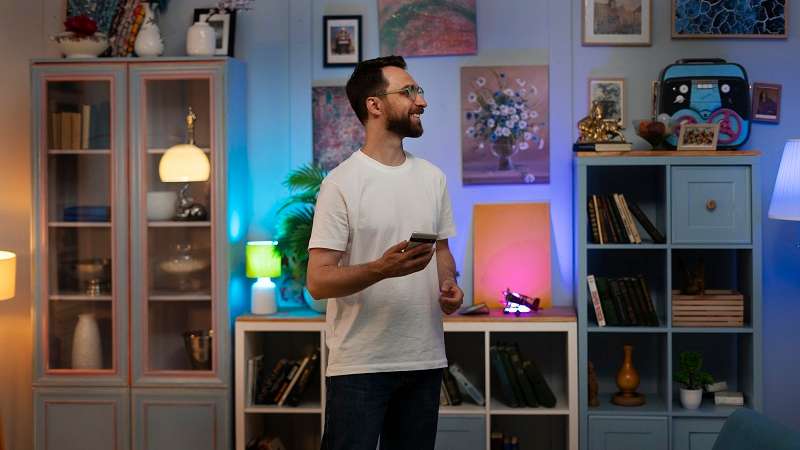
A room can have stylish furniture, fresh paint, and expensive finishes, but still feel incomplete if the lighting is flat or poorly planned. Light is what gives a space shape, warmth, depth, and personality.
Great lighting does more than help people see clearly. It changes the mood of a room throughout the day. Morning sunlight can make a kitchen feel fresh and energized, while soft evening lighting can make the same space feel calm, intimate, and polished. The best rooms are not only decorated well. They are lit with purpose.
That is why windows, glass doors, reflective materials, and feature lighting all matter. They work together to decide whether a room feels dull, bright, dramatic, cozy, or memorable. A simple surface can become a focal point when light moves across it. A small room can feel more open when natural light is improved. A quiet corner can feel intentional with the right glow. These details are what turn everyday rooms into showpiece spaces, especially when dramatic materials are planned with expert support at Illuminated Lighting Design Services.
Daylight sets the tone before anything else
Natural light is usually the first layer of a great room, because it affects how every color, surface, and finish appears. Before adding lamps or accent lighting, it helps to think about how sunlight enters the space.
Windows and glass doors do more than fill a wall. They frame views, brighten interiors, and influence how open a room feels. Older or poorly placed windows can make even a well-designed room feel heavy, while cleaner, more efficient openings can make the same space feel fresher and more inviting. Natural light also reveals texture in stone, grain in wood, and subtle tones in paint that might otherwise disappear.
This matters because home upgrades should not be viewed in isolation. Exterior improvements can change the entire feeling of the interior. Better windows and doors may improve daylight, comfort, and curb appeal at the same time. For homeowners thinking through these kinds of improvements, http://thewindowdepotllc.com can be part of the research process when comparing ideas that affect both appearance and daily comfort.
When daylight is used well, a room feels alive. It shifts gently from morning to afternoon, creating movement without needing much decoration. That natural rhythm gives the home a more relaxed, human feeling.
Feature lighting gives surfaces a second life
After daylight, the next layer is feature lighting. This is where a room can move from simply attractive to truly memorable.
Feature lighting works best when it highlights something already worth noticing. Backlit stone is a strong example because the light does not just sit above the material. It travels through it, drawing out veining, color, and natural movement. A stone wall, island, vanity, bar front, or fireplace surround can become the visual anchor of the room.
The effect can be dramatic without feeling loud. During the day, the surface may look elegant and refined. At night, it can glow softly and create an entirely different mood. That flexibility is what makes lighting so powerful. The same room can feel practical during the day and elevated in the evening.
This approach also helps avoid the common mistake of relying only on overhead lighting. A single ceiling fixture can make a room look flat. Layered lighting creates contrast, shadow, and atmosphere, which makes the space feel more designed.
Windows and illuminated materials work better as a team
The most impressive rooms usually come from coordination, not one standout feature. Windows, doors, materials, and lighting should feel connected rather than randomly chosen.
Imagine a kitchen with generous natural light during the day and a softly glowing stone island in the evening. The room feels bright and useful in the morning, then warm and striking at night. Nothing about the layout has to change for the experience to shift.
The same idea works in bathrooms, entryways, living rooms, and entertaining spaces. A glass door can bring in more daylight and create a stronger connection to the outdoors. A lit stone feature can add depth after sunset. Reflective finishes can help move light around the room without making it feel harsh.
Balance is the key. Too much brightness can feel cold. Too many dramatic elements can feel busy. But when natural light and feature lighting are planned together, the result feels smooth, intentional, and comfortable.
Better lighting changes how a home feels
Lighting is often discussed as a design detail, but it has an emotional effect, too. People feel the difference between a room that is simply lit and a room that feels welcoming.
A bright kitchen can make daily routines easier. A softly lit bathroom can make evenings feel calmer. A living room with layered lighting can make guests feel more comfortable. These changes are subtle, but they influence how people use and enjoy their homes.
Light also guides attention. It tells the eye where to look. It can highlight a special surface, soften a transition between rooms, or make a plain wall feel more architectural. In a well-lit space, people may not immediately know why the room feels good. They simply notice that it does.
Small changes can create a showpiece effect
Not every room needs a major renovation to feel special. Sometimes the biggest impact comes from improving the way light interacts with the space.
Start with the rooms used most often. Kitchens, bathrooms, living rooms, and entry areas usually benefit most from better lighting and brighter openings. Then look for one strong feature that deserves attention. This could be a stone surface, a wall detail, a vanity area, or an entertaining zone.
The goal is not to make every corner dramatic. The goal is to create moments. A glowing surface, a brighter view, or a softer evening atmosphere can completely change how a room is experienced.
A brighter way to see familiar spaces
Light can transform a home without changing everything inside it. It can make rooms feel larger, materials feel richer, and daily routines feel more enjoyable.
When daylight, windows, doors, stone, and accent lighting are treated as part of one design story, ordinary rooms become more than functional spaces. They become places people remember, enjoy, and want to spend time in
More Read