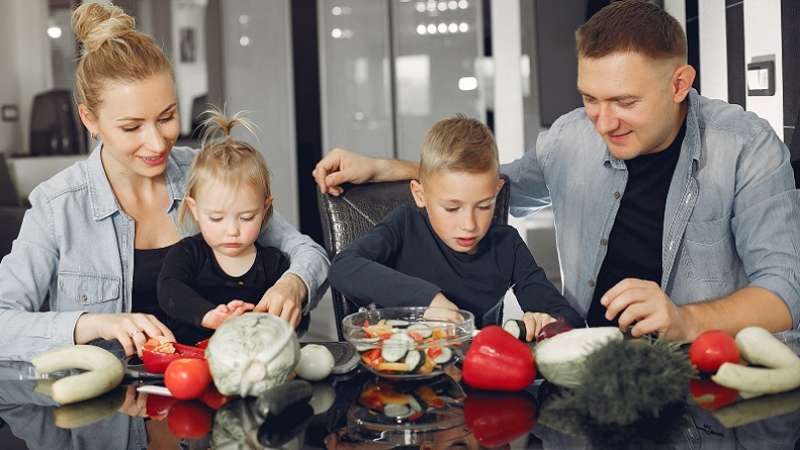
Parenting is one of the most rewarding journeys in life, but it can also be challenging. Every parent wants their child to grow up happy, healthy, confident, and emotionally strong. In today’s fast-changing world, raising children requires patience, understanding, and smart parenting strategies. Good parenting is not about being perfect; it is about creating a loving and supportive environment where children can thrive.
Experts believe that children develop best when parents combine love, guidance, discipline, and emotional support. Research also shows that positive parenting helps children build confidence, emotional stability, and healthy relationships.
This complete guide on Smart Parenting Tips for Happy and Healthy Kids will help parents understand practical ways to support their child’s emotional, physical, social, and mental development.
Understanding Modern Parenting
Parenting today is very different from previous generations. Children are growing up in a digital world filled with technology, social media, and academic pressure. Because of this, parents must focus not only on discipline but also on emotional well-being, communication, and trust.
Modern parenting encourages balance. Experts often recommend authoritative parenting, which combines warmth, clear rules, and emotional support. This parenting style helps children become more confident, responsible, and emotionally secure.
Parents should remember that every child is unique. Some children are naturally outgoing, while others are shy or sensitive. Smart parenting means understanding your child’s personality and guiding them according to their needs.
Build a Strong Emotional Connection
One of the most important parenting tips is building a strong emotional bond with your child. Children who feel loved and emotionally secure are more likely to become happy and mentally healthy adults.
Spend quality time with your children daily. Even small moments like talking during dinner, reading bedtime stories, or playing together can strengthen your relationship.
Experts recommend active listening. This means listening carefully without interrupting or judging your child. When children feel heard, they trust their parents more.
Ways to Build Emotional Connection
- Hug your child often
- Encourage open communication
- Praise effort instead of perfection
- Show empathy toward their feelings
- Spend one-on-one time together
- Support their interests and hobbies
Children who receive emotional support develop better self-esteem and emotional intelligence.
Encourage Positive Communication
Communication is the foundation of good parenting. Children should feel comfortable talking to their parents about school, friendships, fears, and emotions.
Avoid harsh criticism, yelling, or insults. According to parenting experts, calm communication and positive discipline are more effective than punishment.
Instead of saying:
- “You are bad.”
Say:
- “That behavior was not right.”
This helps children understand mistakes without damaging their confidence.
Tips for Better Communication
- Maintain eye contact while talking
- Use kind and respectful words
- Encourage questions
- Avoid comparing children with others
- Be patient when they express emotions
Positive communication creates trust and reduces fear between parents and children.
Create Healthy Daily Routines
Children feel safe and secure when they have consistent routines. Regular routines improve discipline, reduce stress, and help children develop healthy habits.
A healthy routine should include:
- Fixed bedtime
- Healthy meals
- Homework time
- Physical activity
- Family time
- Limited screen time
Experts suggest that consistency helps children understand expectations and improves behavior.
Importance of Sleep
Sleep is essential for a child’s growth and emotional health. Lack of sleep can cause mood swings, poor concentration, and behavioral problems.
Children should have:
- A calm bedtime routine
- Limited screen use before sleep
- Comfortable sleeping environments
Healthy sleep habits support brain development and emotional stability.
Teach Healthy Eating Habits
Nutrition plays a major role in a child’s physical and mental development. Healthy eating habits learned during childhood often continue into adulthood.
Parents should encourage balanced meals that include:
- Fruits
- Vegetables
- Whole grains
- Protein-rich foods
- Water instead of sugary drinks
Teaching children healthy eating habits from a young age helps reduce future health problems.
Smart Nutrition Tips
- Eat meals together as a family
- Avoid forcing children to finish food
- Introduce healthy snacks
- Limit junk food
- Encourage children to help with meal preparation
Children learn most by observing their parents. If parents eat healthy foods, children are more likely to follow the same habits.
Encourage Physical Activity
Physical activity is important for healthy growth. Exercise improves mood, strengthens the immune system, and helps children stay active and energetic.
Children should spend time:
- Playing outdoors
- Riding bicycles
- Playing sports
- Dancing
- Walking with family
Too much screen time can negatively affect children’s physical and emotional health. Parents should create a healthy balance between technology and outdoor activities.
According to child development experts, active children are often happier, more confident, and less stressed.
Practice Positive Discipline
Discipline is necessary, but it should teach children rather than scare them. Positive discipline focuses on guidance, understanding, and consistency instead of punishment.
Experts advise parents to avoid:
- Hitting
- Shouting
- Threatening
- Humiliating children
Positive parenting methods help children learn responsibility and emotional control.
Effective Discipline Strategies
- Set clear rules
- Explain consequences calmly
- Be consistent
- Reward good behavior
- Teach problem-solving skills
- Use natural consequences when possible
Children respond better when they understand why rules exist.
Teach Emotional Intelligence
Emotional intelligence means understanding and managing emotions in healthy ways. Children who learn emotional skills become better at handling stress, friendships, and challenges.
Parents can teach emotional intelligence by:
- Naming emotions
- Discussing feelings openly
- Encouraging empathy
- Modeling calm behavior
- Teaching problem-solving
Experts say that emotionally intelligent children develop stronger relationships and better mental health.
Help Children Handle Emotions
When your child feels angry or upset:
- Stay calm
- Listen carefully
- Validate their feelings
- Teach calming techniques
- Help them express emotions respectfully
Children learn emotional behavior by watching their parents.
Be a Positive Role Model
Children learn more from actions than words. Parents are their child’s first teachers and role models.
If parents:
- Speak respectfully
- Handle stress calmly
- Practice kindness
- Maintain healthy habits
Children are likely to copy the same behavior.
Research shows that positive parental behavior strongly influences a child’s emotional and social development.
Ways to Be a Good Role Model
- Admit mistakes honestly
- Show respect to others
- Practice patience
- Read books regularly
- Stay physically active
- Manage emotions positively
Children remember what parents do more than what they say.
Encourage Learning and Creativity
Every child has natural curiosity. Parents should encourage learning through fun activities, creativity, and exploration.
Provide opportunities for:
- Reading books
- Drawing and painting
- Building projects
- Science experiments
- Educational games
Avoid putting too much pressure on academic performance. Instead, focus on effort, improvement, and curiosity.
Children who enjoy learning develop confidence and creativity.
Teach Responsibility and Independence
Smart parenting includes teaching children life skills and responsibility from an early age.
Children can learn responsibility by:
- Cleaning their toys
- Helping with chores
- Organizing school bags
- Managing homework
- Caring for pets
Giving children small responsibilities helps build independence and confidence.
Age-Appropriate Responsibilities
Young children:
- Put away toys
- Help set the table
School-age children:
- Organize school materials
- Help clean rooms
Teenagers:
- Manage schedules
- Learn basic cooking
- Assist with household tasks
Responsibility teaches children discipline and problem-solving.
Protect Mental Health
Mental health is just as important as physical health. Children today face stress from school, social pressure, and digital media.
Parents should watch for signs such as:
- Mood changes
- Isolation
- Anxiety
- Sleep problems
- Loss of interest in activities
Creating a supportive home environment helps children feel emotionally safe.
Tips to Support Mental Health
- Spend quality family time
- Encourage open conversations
- Reduce excessive pressure
- Support hobbies and interests
- Seek professional help if needed
Children need reassurance that they are loved and valued regardless of achievements.
Manage Screen Time Wisely
Technology can be educational, but too much screen time may affect sleep, attention, and emotional health.
Parents should:
- Set screen time limits
- Monitor online content
- Encourage offline activities
- Keep devices out of bedrooms at night
Balanced technology use helps children develop healthier habits.
Encourage Gratitude and Kindness
Teaching gratitude helps children become more positive and emotionally balanced. Grateful children often show better social behavior and stronger relationships.
Ways to Teach Gratitude
- Encourage saying “thank you.”
- Discuss positive moments daily
- Help others as a family
- Teach sharing and kindness
Simple acts of kindness help children become compassionate individuals.
Support Social Skills
Friendships and social interactions are important for emotional growth. Parents should help children develop healthy communication and friendship skills.
Teach children:
- Respect
- Sharing
- Listening
- Teamwork
- Conflict resolution
Encourage participation in sports, clubs, and group activities.
Healthy social skills improve confidence and emotional well-being.
Handle Parenting Stress
Parenting can sometimes feel overwhelming. Stress affects both parents and children, so self-care is important.
Parents should:
- Rest properly
- Ask for help when needed
- Take short breaks
- Maintain healthy relationships
- Avoid trying to be perfect
Happy parents often raise happier children.
The Importance of Positive Parenting
Research consistently shows that positive parenting improves emotional security, confidence, and healthy behavior in children. Experts also emphasize that children thrive when parents combine warmth with clear boundaries.
The keyword Smart Parenting Tips for Happy and Healthy Kids represents a parenting approach that focuses on emotional support, communication, discipline, and healthy habits.
By following these strategies, parents can create a loving home environment where children feel safe, respected, and motivated to grow.
Final Thoughts
Parenting is a lifelong journey filled with learning experiences. No parent is perfect, and every child is different. What matters most is providing love, support, patience, and guidance.
These Smart Parenting Tips for Happy and Healthy Kids can help families build stronger relationships and healthier lifestyles. Children who feel emotionally secure, physically healthy, and supported by their parents are more likely to grow into confident and responsible adults.
Remember that small daily efforts make a big difference. Listening to your child, spending quality time together, encouraging healthy habits, and showing unconditional love are the foundations of successful parenting
More Read