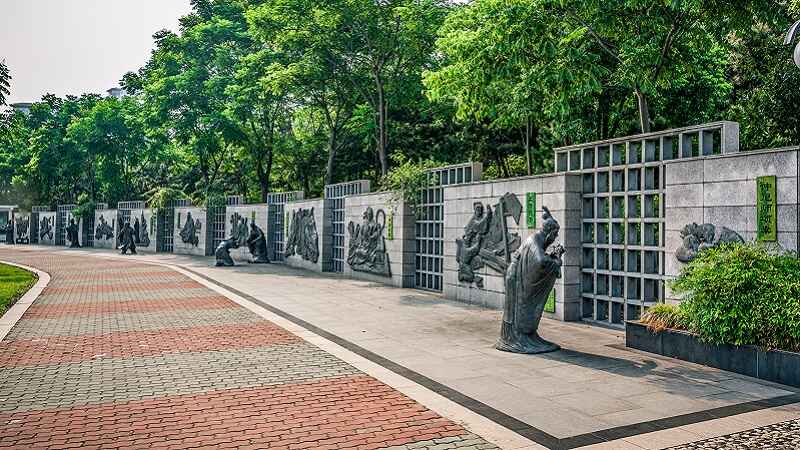
Retaining walls have become essential components of today’s vibrant landscapes, evolving beyond basic functionality to become integral parts of contemporary outdoor design. These structures not only manage changes in elevation and prevent soil erosion but also create stunning visual interest and usable outdoor living spaces. Whether you are managing a sloped property or seeking a design feature that elevates your yard’s character, smart retaining wall choices can redefine the look and function of your landscape. To discover expert solutions and options for retaining walls Colleyville, TX, explore local services for customized designs that fit modern tastes.
Effective modern retaining walls seamlessly blend structure and style. With advances in materials and design approaches, today’s walls can integrate sustainability, enhance property value, and turn steep, underutilized areas into gardens, terraces, and seating alcoves. With thoughtful integration of materials, features, and planning, retaining walls serve as both anchors and architectural highlights in your outdoor environment.
Importance of Retaining Walls
Retaining walls make previously unusable land accessible and safe by stabilizing slopes, holding back soil, and creating leveled areas ideal for gardens, patios, or play areas. In regions with heavy rainfall, retaining walls help protect properties from runoff and erosion, giving homeowners greater control over their landscape. They also function as protective barriers around flower beds or pools, providing clear divisions within multi-use outdoor spaces. As more people look to optimize their outdoor environments, retaining walls have become increasingly popular in both new builds and renovations.
Material Selection
The durability and visual effect of a retaining wall rely heavily on the choice of materials. Affordability, local climate, and aesthetic goals must be considered to ensure lasting results. Here are several popular options for modern project requirements:
- Natural Stone: Timeless and elegant, natural stone such as limestone or fieldstone adds a rustic charm that seamlessly blends with organic surroundings.
- Concrete Blocks: Manufactured concrete systems are available in many textures, sizes, and hues, allowing for true customization and crisp modern lines.
- Gabions: Wire-mesh structures filled with rocks or pebbles create a bold industrial statement. They offer both visual texture and superior drainage qualities.
Integrating Functional Features
Functionality is key to the next generation of retaining walls. By integrating built-in seating, soft lighting, or a small water cascade, these walls do more than just hold soil—they promote relaxation and social interaction outdoors. The following features are highly favored in modern designs:
- Seating Areas: Adding ledges or benches along a wall encourages use as a social hub for gatherings and provides casual seating in gardens and patios.
- Lighting: Integrated LED strips or uplighting can highlight wall textures, improve safety along walkways, and create nighttime ambiance.
- Water Features: Waterfalls or fountains included within the structure introduce a tranquil, spa-like atmosphere and serve as visual focal points.
Design Innovations
Modern retaining wall design emphasizes creativity and functionality. Contemporary approaches go beyond straight lines and uniform surfaces, instead embracing shapes, layering, and texture. Here are some emerging trends transforming outdoor spaces:
- Terraced Walls: Multiple low retaining walls arranged in tiers add dimension and make landscaping on hillsides manageable. This design maximizes space for plantings and creates appealing transitions.
- Curved Designs: Gentle curves soften the structure’s appearance and help walls blend organically into their surroundings, creating a more relaxed, natural effect.
- Mixed Materials: Combining wood, stone, and steel highlights contrasting colors and textures, offering a custom, sophisticated look.
Walls that deploy cutting-edge materials or creative forms not only draw the eye but can also boost a property’s value. For more innovative outdoor design inspiration and trends, visit Homes & Gardens’ landscape design trends for examples from leading designers.
Planning and Construction
Achieving the ideal retaining wall requires careful site planning, selection of appropriate building techniques, and attention to structural safety. The following steps will help guide a successful build:
- Assess the Site: A thorough evaluation of slope angles, soil stability, and potential water flow prevents major issues later and determines the best wall type.
- Design Considerations: The size, location, and style of your wall should blend with your overall landscape design while meeting practical requirements.
- Professional Consultation: For complex or tall walls, a licensed engineer or landscape architect should be consulted to ensure compliance with codes and ensure structural integrity, especially in regions with harsh weather or seismic activity.
Maintenance and Longevity
Well-constructed retaining walls require regular maintenance to function effectively and maintain their appearance over the years. Key practices include periodic inspection for signs of settling, cracking, or bulging to facilitate early repairs and prolong the wall’s lifespan. Cleaning is essential to remove leaves, debris, and creeping vegetation, as the accumulation of moss and dirt can increase moisture retention and accelerate deterioration, particularly in porous materials like stone or wood. Additionally, managing drainage is crucial; ensuring that drains or weep holes are clear helps to relieve water pressure behind the wall and prevents damage from freeze-thaw cycles.
Conclusion
Retaining walls enhance the utility, value, and beauty of contemporary landscapes far beyond their basic engineering role. With choices in material, finishes, and built-in features, they offer unlimited opportunities for creativity and customization in outdoor living. Whether you are pursuing sustainability, safety, or standout style, a well-designed retaining wall can transform an everyday yard into an inviting destination. By focusing on thoughtful design, quality construction, and routine maintenance, you ensure your wall remains a positive force in your landscape for years to come.