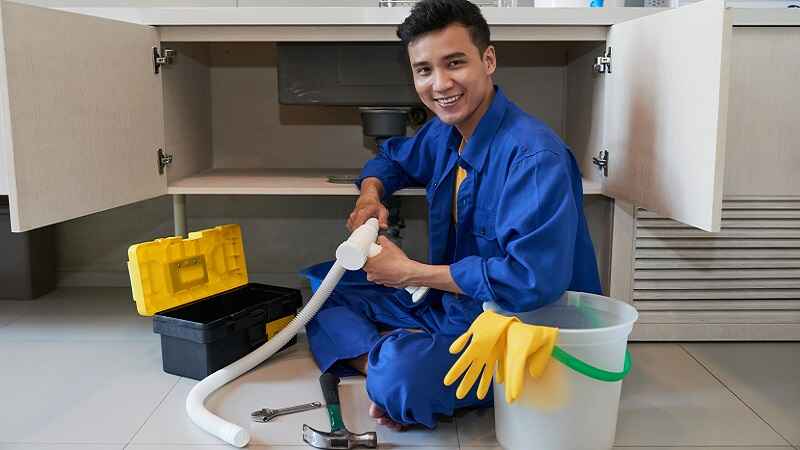
A home’s plumbing system works quietly behind the scenes, delivering clean water and removing waste efficiently. Because it’s mostly hidden, many homeowners don’t think about it until something goes wrong. Unfortunately, small mistakes in how plumbing is used or maintained can lead to expensive repairs, water damage, and unnecessary stress.
Understanding common plumbing mistakes—and how to avoid them—can save you time, money, and frustration. This detailed guide highlights the most frequent errors homeowners make and explains how to prevent them with practical, easy-to-follow advice.
1. Ignoring Small Leaks
One of the biggest mistakes homeowners make is overlooking minor leaks. A dripping faucet or a slightly damp pipe might not seem urgent, but these small issues can quickly escalate.
Even a slow leak can waste a significant amount of water over time, increasing your utility bills. More importantly, hidden leaks can lead to mold growth, weakened structures, and long-term damage to walls and flooring.
What you should do instead:
Inspect your home regularly for signs of leaks, such as water stains, musty odors, or damp spots. Fix even the smallest leaks immediately before they turn into larger problems.
2. Pouring Grease Down the Drain
It may seem convenient to pour leftover cooking grease down the kitchen sink, especially when it’s in liquid form. However, this is one of the most damaging habits for your plumbing system.
As grease cools, it solidifies and sticks to the inner walls of your pipes. Over time, it builds up and creates stubborn clogs that can block water flow completely.
Better practice:
Dispose of grease in a sealed container and throw it in the trash. You can also wipe greasy pans with paper towels before washing them.
3. Using Chemical Drain Cleaners Too Often
When faced with a clogged drain, many homeowners reach for chemical drain cleaners. While they can provide a quick fix, frequent use can harm your plumbing system.
These cleaners contain harsh chemicals that can corrode pipes, especially older metal or PVC pipes. Over time, this can lead to leaks or even pipe failure.
Smarter alternative:
Use natural methods like hot water, baking soda, and vinegar, or mechanical tools such as plungers and drain snakes. For persistent clogs, it’s best to call a professional.
4. Flushing the Wrong Items Down the Toilet
Toilets are designed to handle only human waste and toilet paper. Flushing items like wipes, paper towels, feminine hygiene products, or cotton swabs can cause serious blockages.
Even products labeled as “flushable” often don’t break down properly and can clog pipes or damage sewer systems.
What to remember:
Keep a trash bin in the bathroom and use it for anything that isn’t toilet paper. Teaching this habit to everyone in your household is essential.
5. Skipping Routine Maintenance
Many homeowners adopt a “fix it when it breaks” mindset. Unfortunately, neglecting regular maintenance can lead to unexpected plumbing emergencies.
Routine checks help identify early signs of wear, corrosion, or minor issues before they become major repairs.
Preventive approach:
Schedule periodic inspections, check visible pipes, clean drains, and ensure fixtures are functioning properly. Preventive care is always more affordable than emergency repairs.
6. Not Knowing Where the Shut-Off Valve Is
In a plumbing emergency, such as a burst pipe, every second counts. Not knowing where your main water shut-off valve is can result in extensive water damage.
Why it matters:
If you can’t quickly stop the water flow, the damage to your home can multiply within minutes.
What to do:
Locate your main shut-off valve and make sure all family members know how to use it. Test it occasionally to ensure it works properly.
7. Attempting Complex DIY Repairs
While DIY solutions can be helpful for minor issues, attempting complicated plumbing repairs without proper knowledge can make things worse.
Incorrect installations or repairs can lead to leaks, inefficient systems, or even safety hazards.
Better approach:
Handle simple tasks like unclogging drains or replacing washers, but leave major repairs—such as pipe replacements or water heater issues—to licensed professionals.
8. Overloading the Garbage Disposal
Garbage disposals are convenient, but they are not designed to handle everything. Many homeowners misuse them by putting in items like bones, fibrous vegetables, coffee grounds, or grease.
This can dull the blades, clog pipes, or damage the motor.
Best practices:
Only dispose of small food scraps, run cold water while using the unit, and avoid putting problematic materials into it.
9. Neglecting Water Heater Maintenance
The water heater is one of the most important appliances in your home, yet it’s often forgotten until it stops working.
Over time, sediment builds up inside the tank, reducing efficiency and increasing energy consumption. This can also shorten the lifespan of the unit.
Proper care:
Flush the tank annually, check for leaks, and monitor water temperature settings. Regular maintenance keeps your water heater efficient and reliable.
10. Ignoring Low Water Pressure
Low water pressure can be frustrating, but it’s also a sign that something may be wrong. It could indicate pipe blockages, leaks, or issues with the water supply.
Ignoring it can allow the underlying problem to worsen over time.
What to check:
Inspect faucets and showerheads for buildup, and consider whether the issue affects the entire house. If it does, consult a professional to diagnose the cause.
11. Failing to Insulate Pipes
In colder climates, unprotected pipes are at risk of freezing. When water freezes, it expands, which can cause pipes to crack or burst.
This can lead to severe water damage and costly repairs.
Preventive measure:
Insulate exposed pipes in areas like basements, attics, and garages. Keeping your home at a consistent temperature also helps prevent freezing.
12. Installing Fixtures Incorrectly
Improper installation of faucets, toilets, or other fixtures can lead to leaks, poor performance, and long-term damage.
Even a small mistake, like not sealing connections properly, can result in water seeping into walls or floors.
Recommendation:
Follow manufacturer instructions carefully or hire a professional for installation. Proper setup ensures efficiency and durability.
13. Using the Wrong Tools
Trying to fix plumbing issues without the right tools can damage components or make repairs more difficult.
For example, using excessive force with incorrect tools can crack fittings or strip threads.
Smart tip:
Invest in basic plumbing tools like a plunger, pipe wrench, and drain snake. Using the correct tools makes repairs safer and more effective.
14. Overlooking Early Warning Signs
Strange noises, slow drains, foul odors, or sudden increases in water bills are all warning signs of plumbing issues.
Ignoring these signs often leads to bigger, more expensive problems.
Stay proactive:
Pay attention to changes in your plumbing system and address issues promptly. Early intervention can save significant time and money.
15. Not Educating Household Members
Even if you follow all the right practices, your plumbing system can still suffer if others in your home misuse it.
Simple habits like flushing inappropriate items or pouring grease down the drain can undo your efforts.
Solution:
Educate everyone in your household about proper plumbing practices. Clear communication helps maintain the system and prevent avoidable damage.
Conclusion
Plumbing problems often start small but can quickly grow into costly and disruptive issues if ignored. By understanding and avoiding these common mistakes, homeowners can protect their property, reduce expenses, and ensure a reliable plumbing system.
The key is to stay proactive—inspect regularly, use fixtures responsibly, and don’t hesitate to call a professional when needed. With the right habits and awareness, you can keep your home’s plumbing running smoothly for years to come.