
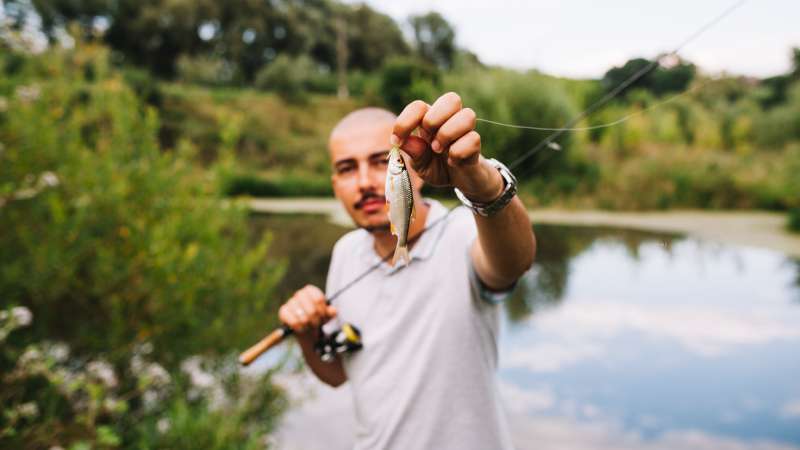
Catch-and-release fishing doesn’t end when a fish reaches the boat, bank, or net. What happens during the next few moments can be just as important. The way an angler handles the fish, how long it remains out of the water, and how the hook is removed can all influence its condition when it is released.
Hook removal can seem like the simplest part of the process, particularly when a hook is easy to reach. But pulling at the wrong angle, handling the fish excessively, or spending too long trying to free a difficult hook can cause unnecessary tissue damage and extend the time the fish is under stress. Having the right tools ready before landing a fish can make the process faster and more controlled.
Hooks also demand careful handling for the angler’s sake. Anyone concerned about getting a fish hook out of your skin should remember that prevention starts with maintaining control of the hook throughout the release process, especially when dealing with a fish that may suddenly thrash or twist.
Why hook removal deserves more attention
A fish may swim away immediately after release and still have experienced unnecessary stress or injury during handling. Catch and release is therefore about more than simply returning the fish to the water. The goal is to minimize the impact of the entire encounter.
The hook itself creates an injury, but additional damage can occur when it is twisted, pulled repeatedly, or removed without following the direction in which it entered. Multiple unsuccessful attempts also extend handling time, particularly when the hook is positioned awkwardly.
Minimize the time spent out of the water
Once a fish is landed, it’s easy for time to disappear. Removing the hook, taking photographs, measuring the catch, and preparing for release can turn what seems like a few seconds into a much longer period.
Whenever possible, keep the fish in or close to the water while preparing for hook removal. Having tools within reach before you begin fishing also prevents you from searching through a tackle box while holding the fish. If you want a photograph, prepare the camera or phone first rather than holding the fish out of the water while someone gets ready.
Use a tool suited to the hook and situation
Trying to remove every hook with your fingers isn’t practical. Hooks may be small, deeply positioned, difficult to grip, or located close to teeth and other areas where putting your hand isn’t advisable.
Pliers, forceps, and purpose-built dehooking tools can provide better control and allow anglers to reach hooks that would otherwise require more handling. Some dehookers also make it possible to release certain fish while keeping them in or close to the water. Whatever tool you choose, keep it somewhere immediately accessible. A useful dehooking tool buried beneath the rest of your tackle isn’t much help when a fish is already on the line.
Avoid excessive pulling and twisting
When a hook doesn’t come free immediately, pulling harder isn’t necessarily the answer. The shape of a fishing hook means that the angle of removal matters.
First determine how the hook is positioned and where the point and barb are located. Controlled movement that follows the path of the hook can reduce unnecessary tearing compared with repeatedly pulling in different directions.
If a hook is difficult to access, using an appropriate tool can also give you more precise control without requiring additional contact with the fish.
Handle the fish as little as possible
Hook removal and fish handling are closely connected. The longer you struggle with the hook, the more likely you are to grip, reposition, or otherwise handle the fish repeatedly.
When handling is necessary, wet your hands first and support the fish appropriately rather than squeezing it. Avoid unnecessary contact with the gills and eyes, and don’t place a fish intended for release on a hot or dry surface while working on the hook. Keeping the fish controlled also protects the angler. A fish that suddenly moves while you’re gripping a hook can turn an otherwise routine release into an injury.
Know when removing the hook may cause more damage
Not every hook is positioned conveniently near the mouth. A deeply swallowed hook or one lodged in a particularly sensitive area can present a more difficult decision.
Repeatedly digging for a deeply embedded hook can cause greater damage than leaving it in place. Depending on the circumstances, hook type, species, and applicable fishing guidance, cutting the line as close to the hook as practical may sometimes be preferable to prolonged attempts at removal.
Anglers should familiarize themselves with recommendations for the species they target and the regulations where they fish, particularly when catch-and-release practices or specific hook types are required.
Choose tackle with release in mind
If you regularly practice catch and release, decisions made before casting can make hook removal easier later. Hook style and configuration can influence where a fish is hooked and how complicated the removal process becomes.
For example, barbless hooks or hooks with flattened barbs can generally be removed with less resistance. Circle hooks are commonly used in certain types of fishing because their design can influence where fish become hooked.
The appropriate tackle will depend on the species, fishing method, and local regulations, but considering release at the setup stage can make the entire process more efficient.
A good release starts before the fish is landed
Proper hook removal is much easier when an angler is prepared for it. Keeping dehooking tools accessible, planning how you’ll handle the fish, and knowing what to do if a hook is difficult to reach can reduce rushed decisions once a fish is on the line.
Catch and release ultimately works best when the release is treated as part of the fishing process rather than something that happens afterward. A controlled landing, minimal handling, efficient hook removal, and prompt return to the water give the fish a better chance of swimming away in good condition.