
A successful fire protection inspection provides an important snapshot of a building’s systems and equipment at a particular point in time. It doesn’t mean, however, that everything will remain in the same condition until the next scheduled visit. Equipment can be damaged, building layouts can change, access can become obstructed, and seemingly minor maintenance issues can develop gradually between inspections.
This is particularly important in busy commercial, industrial, and multi-family properties, where day-to-day operations can change the environment around life safety equipment without anyone immediately recognizing the significance. Regular awareness between formal inspections can help identify potential deficiencies earlier and ensure they receive appropriate attention.
In this article, experts from a top company specializing in fire protection examine six issues that can develop or go unnoticed between scheduled inspections and explain what property and facility teams should be watching for.
1. Fire extinguishers become blocked or inaccessible
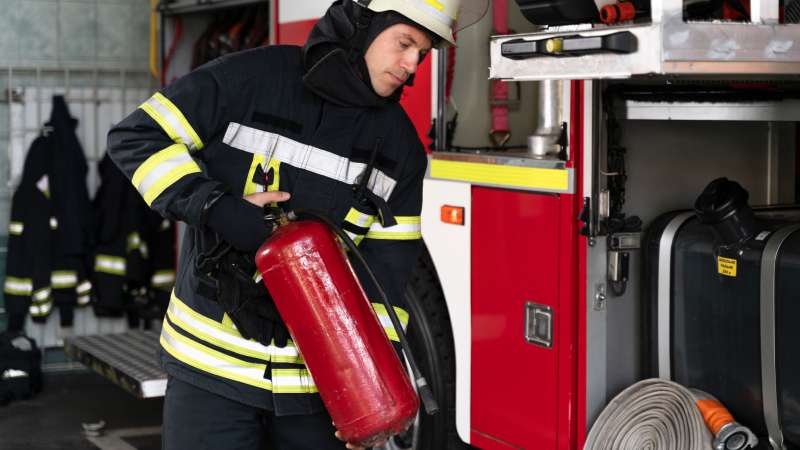
A fire extinguisher may be properly positioned and accessible on inspection day, only for the area around it to change weeks later. Boxes get stacked, furniture is moved, equipment is installed, and temporary storage sometimes becomes permanent.
In an emergency, even a short delay in locating or reaching an extinguisher can matter. Facility teams should periodically look at whether extinguishers remain visible, accessible, and in their designated locations rather than assuming that nothing has changed since the previous inspection.
Fire extinguishers can also be moved or accidentally damaged during normal building activity. A quick visual check can reveal obvious issues such as a missing unit, physical damage, a broken seal, or something preventing clear access.
2. Sprinkler heads become obstructed
Changes inside a building can affect the area around sprinkler heads even when nobody has touched the sprinkler system itself. New shelving, tall storage, partitions, decorations, or other objects may interfere with the space sprinklers need to operate as intended.
This can be particularly easy to overlook in warehouses and storage areas, where inventory arrangements frequently change. Similar issues can occur in offices, retail spaces, and multi-family common areas as rooms are rearranged or repurposed.
Sprinkler heads themselves should also remain free from paint, dust accumulation, hanging objects, and physical damage. Anything unusual should be brought to the attention of a qualified fire protection professional rather than adjusted or cleaned in a way that could damage the component.
3. Exit signs and emergency lighting develop problems
Exit signs and emergency lighting may appear fine during normal building operation because they are connected to the property’s electrical supply. Problems with backup batteries or individual components can therefore be less obvious until the equipment is tested or normal power is interrupted.
Physical changes can create additional issues. A newly installed fixture, sign, partition, or piece of equipment may reduce the visibility of an exit sign from certain parts of the building.
Property teams can remain alert to visibly damaged units, flickering lights, obstructed signs, or other obvious changes, while required testing and servicing should continue according to the applicable schedule.
4. Fire doors stop closing properly
Fire doors are part of the building’s passive fire protection and are intended to help limit the movement of fire and smoke. Daily use, however, can gradually affect how well a door performs. Doors may become misaligned, closers can develop problems, hardware can become damaged, or objects may be placed in a way that prevents the door from closing completely. In busy areas, a fire door may also be routinely propped open for convenience without recognition of its safety function.
Facility teams should pay attention to doors that drag, fail to latch, remain partially open, or show visible damage. These issues can develop well before the next formal inspection.
5. Building modifications create new fire protection concerns
Renovations aren’t the only changes that can affect fire protection. A tenant may rearrange a space, storage practices may change, new machinery may be introduced, or a room may begin serving an entirely different purpose.
Those changes can alter hazards, access, occupancy conditions, or the relationship between the building layout and existing fire protection equipment. Because the original systems were designed and maintained around particular conditions, significant changes to the property deserve consideration from a fire protection perspective as well.
6. Inspection tags and service records fall behind
Fire protection involves more than the physical condition of equipment. Inspection, testing, maintenance, and certification records can also be important for demonstrating that required work has been completed.
In properties with multiple systems, vendors, tenants, or responsible personnel, documentation can become fragmented surprisingly easily. A service date may be missed, paperwork may not reach the right person, or responsibility for a particular piece of equipment may become unclear after staffing or tenant changes.