
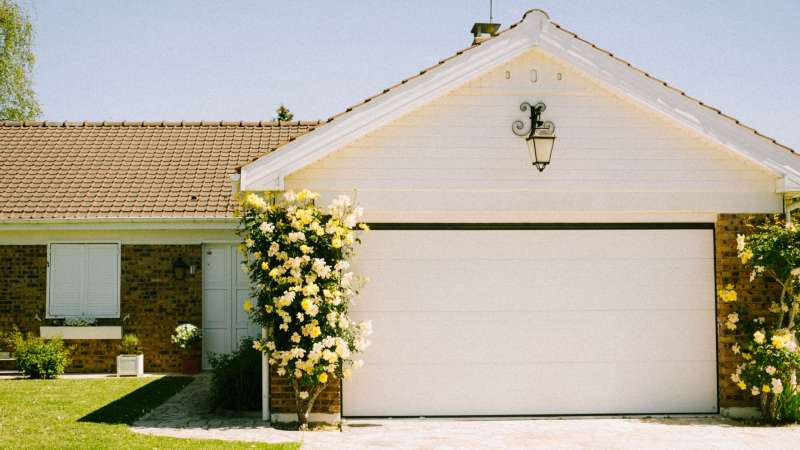
Florida homeowners face a unique set of demands when it comes to garage doors. The combination of intense heat, year-round humidity, salt air in coastal areas, and an annual hurricane season that runs from June through November creates conditions that require more than generic maintenance advice and off-the-shelf solutions.
A1A Overhead Door Company provides a comprehensive range of residential garage door services designed specifically for the Florida environment — from routine installation and repair to hurricane code compliance, emergency response, and energy efficiency upgrades. This guide covers every service category so Florida homeowners know exactly what’s available, when to call, and what to expect.
1. Garage Door Installation
A new garage door installation is one of the highest-ROI home improvements available to Florida homeowners, consistently returning over 90% of its cost in added home value while delivering immediate improvements in curb appeal, energy efficiency, and security. Getting the installation right from the start — the right door for Florida’s climate, correctly sized, properly installed — determines how well the system performs for the next 15–25 years.
Choosing the right door for Florida:
- Material: Galvanized or coated steel with a UV-resistant factory finish is the most practical choice for most Florida homes. Aluminum is excellent for coastal properties where salt air corrosion resistance is the priority. Wood requires diligent annual maintenance in Florida’s humidity and is not recommended without a commitment to regular sealing and painting.
- Wind rating: All new garage door installations in Florida must meet Florida Product Approval (FPA) requirements for the installation’s wind zone. In high-velocity hurricane zones (Miami-Dade and Broward Counties), impact-rated doors are required by code.
- Insulation: R-12 or higher for attached garages is the practical minimum in Florida’s climate. The long, hot summers mean heat gain through an uninsulated door drives air conditioning costs significantly.
- Style: The door accounts for up to 40% of the home’s front-facing facade. Matching the door style to the home’s architecture creates cohesion that directly impacts curb appeal and resale value.
What professional installation includes: Accurate measurement of the opening, removal and disposal of the existing door, installation of panels, tracks, springs, and cables to manufacturer specifications, opener mounting and programming, and a complete safety inspection before handover.
2. Garage Door Repair
Florida’s environment accelerates wear on garage door components more than most climates. Salt air corrodes metal hardware faster. Humidity swells and stresses components. UV exposure degrades weatherstripping and finishes. Heat thins lubricants and stresses opener motors. Regular, proactive repair — addressing issues early when they’re small — is consistently more cost-effective than waiting for component failure.
Common Florida garage door repair needs:
- Track realignment: Tracks drift out of alignment from mounting bracket loosening, vehicle impact, or storm stress. A door binding or moving unevenly is the typical warning sign. Stop operating a door with a compromised track and call for service — continuing to run it risks roller failure and door drop.
- Roller replacement: Steel rollers develop flat spots that create grinding and accelerate track wear. Upgrading to nylon rollers at replacement time significantly reduces noise and extends the service interval.
- Hardware tightening and lubrication: Florida’s heat thins lubricants faster than in cooler climates. Hinges, rollers, and springs need lubrication with appropriate products (silicone spray and white lithium grease) every three to six months rather than the standard six months recommended in other climates.
- Weatherstripping replacement: Florida’s UV exposure and heat harden and crack weatherstripping significantly faster than in temperate climates. Intact seals are essential for keeping humidity, insects, and storm-driven rain out of the garage.
Warning signs that repair is needed: Grinding or scraping sounds during operation, uneven or jerky movement, visible gaps around the closed door, the door reversing before fully closing, or the opener straining audibly during the lift cycle.
3. Garage Door Openers
The garage door opener powers every automated cycle and, in Florida’s environment, faces specific stresses that homeowners from other climates don’t encounter. Heat that reaches 120°F or higher in Florida garages on summer afternoons accelerates circuit board degradation and can trip thermal overload protection. Florida’s frequent lightning strikes create voltage surges that damage logic boards. And the state’s frequent power outages from storms underscore the value of battery backup.
Opener types:
- Belt drive: Quietest standard option. Best for garages adjacent to or below living spaces — common in Florida’s multi-level coastal homes.
- Chain drive: Most affordable and mechanically durable. Well-suited for detached garages where noise isn’t a concern.
- Direct drive: One moving part. Exceptionally quiet and reliable with minimal maintenance needs.
- Jackshaft: Wall-mounted beside the door, freeing ceiling space. Ideal for garages with high ceilings or specialty storage.
Florida-specific opener priorities:
- Battery backup: Non-negotiable for Florida homeowners. Power outages during storms and hurricanes are a regular occurrence. Battery backup ensures full door operation during and after outages, including during evacuations.
- Surge protection: A $20 surge protector on the opener outlet is inexpensive insurance against Florida’s frequent lightning-related surges, which routinely damage or destroy opener logic boards.
- Smart connectivity: Remote monitoring and control is particularly valuable for Florida’s significant population of seasonal residents and second-home owners who want visibility into their property when they’re away.
- Rolling code security: Standard on all modern openers. If your current opener uses fixed codes, upgrading is a genuine security improvement.
4. Spring Repair
Garage door springs are the most mechanically critical and most failure-prone component in the system. They carry the full weight of the door on every cycle, and in Florida’s salt air and humid environment, they corrode and wear faster than in inland or dry climates.
Spring lifespan in Florida: Standard residential torsion springs are rated for approximately 10,000 cycles — roughly 6–7 years for a typical household. In coastal Florida environments where salt air accelerates corrosion, springs that haven’t been regularly lubricated with a rust-inhibiting product can fail significantly earlier. Applying white lithium grease to spring coils every three months (rather than the standard six months) is particularly important in coastal areas.
Warning signs:
- A loud bang from the garage — often the sound of a spring breaking
- The door is extremely heavy when lifted manually
- The opener strains or slows noticeably during the lift cycle
- A visible gap in the torsion spring coils
- The door opens unevenly, one side higher than the other
Always a professional repair: Torsion springs store enough energy to cause severe injury or death if they release uncontrollably. Spring repair and replacement requires specialized tools and expertise. Both springs are always replaced simultaneously — if one has failed, the other is at the same point in its cycle life.
5. Residential Services
Residential garage door service covers the full lifecycle of a homeowner’s door system — from the initial installation through decades of maintenance, repair, and eventual replacement. For Florida homeowners, this includes service needs specific to the state’s environment that generic providers may not fully address.
What comprehensive residential service includes:
- New door installation: Selection guidance for Florida’s climate requirements, precise measurement, and professional installation with full safety testing.
- Ongoing maintenance: Regular lubrication, hardware tightening, balance testing, and safety system verification — calibrated for Florida’s more demanding maintenance frequency.
- Component repair and replacement: Springs, cables, rollers, tracks, hinges, weatherstripping, and opener components — addressed individually or as part of a whole-system assessment.
- Pre-hurricane season inspections: Annual assessment before June to verify wind rating, hardware integrity, battery backup, and weatherstripping condition before storm season stress.
- Post-storm assessment: Inspection after significant weather events to identify storm damage that may not be immediately visible but creates delayed failure risk.
6. Hurricane Code Compliance
The garage door is the largest and most vulnerable opening in a home during a hurricane. When a garage door fails under wind pressure, the pressure differential that builds inside the structure can be enough to blow off the roof. Florida’s building codes require wind-rated garage doors for new construction in designated wind zones, and millions of existing homes still have doors that don’t meet current standards.
Understanding Florida’s wind rating requirements:
- Florida Product Approval (FPA): Any garage door installed in Florida must carry Florida Product Approval, certifying that the door has been tested to meet wind load requirements for the installation’s wind zone. Every installation should confirm the door’s FPA number.
- High-Velocity Hurricane Zone (HVHZ): Miami-Dade and Broward Counties require impact-rated garage doors — tested to withstand windborne debris in addition to wind pressure. Standard wind-rated doors are not sufficient for HVHZ installations.
- Non-impact wind-rated doors: Required in most other Florida coastal and wind zone areas. These doors handle the wind pressure loads specified for their zone but are not tested for debris impact.
- Retrofitting existing doors: For homes with existing non-rated doors, horizontal bracing bar systems can improve wind resistance as an interim measure, though they are not equivalent to a purpose-built wind-rated door.
Insurance implications: Florida homeowners with wind-rated and impact-rated garage doors may qualify for significant wind mitigation credits on their homeowner’s insurance premiums. A Wind Mitigation Inspection report documenting the door’s FPA certification is required to claim these credits.
How to check your current door: Look for a sticker on the inside of the top panel listing the design wind pressure rating and Florida Product Approval number. No sticker — or a door that predates current wind zone requirements for your area — means the door should be assessed before the next storm season.
7. Emergency Garage Door Repair
Garage door failures don’t schedule themselves for convenient hours — and in Florida, where storm-related failures can occur at night and during weekends, 24/7 emergency response isn’t a premium service. It’s a necessity.
Situations that require emergency service:
- Door stuck open: A door that won’t close leaves your home completely exposed to theft and weather. This is a same-day or same-night emergency regardless of what caused it.
- Broken spring: The door is effectively inoperable. Do not attempt to force it open with the opener — doing so risks stripping the opener gears and snapping the cables.
- Snapped cable: The door drops on one side and cannot be safely operated. Stop all use immediately.
- Door off its tracks: An off-track door is unstable and can drop without warning. Keep people and pets clear until it’s been professionally secured.
- Storm damage: Impact damage, wind-related track stress, or power-related opener failure following a weather event. Even a door that appears functional after a storm should be inspected for hidden damage that creates delayed failure risk.
What to do while waiting for service: Stop operating the door. Secure the interior door between the garage and your home. Move valuables away from an open garage. Note what happened and what the door was doing when it failed — this information helps the technician arrive prepared.
8. Garage Door Panel Replacement
Individual panel replacement is one of the most cost-effective repairs available when damage is localized. Rather than replacing the entire door, a single damaged section can often be swapped out — preserving the overall door system while restoring appearance and structural integrity.
When panel replacement works:
- Damage is limited to one or two sections from a vehicle impact or storm debris
- The door frame, tracks, and hardware are structurally sound
- A matching replacement panel is still available for the door model
- The overall door is in good condition and relatively recent
When full replacement makes more sense:
- Multiple panels are damaged and the combined replacement cost approaches 50% of a new door’s price
- Replacement panels are discontinued for the door’s model, making a perfect match unavailable
- The door is aging with widespread rust or structural wear that makes panel-level repair a short-term fix
- The door is uninsulated and a replacement is an opportunity to upgrade to an insulated system
9. Garage Door Insulation and Energy Efficiency Upgrades
In Florida’s climate, garage door insulation is not a luxury upgrade — it’s a practical energy management tool with a measurable return. An uninsulated garage door has an R-value of approximately R-2. A quality insulated door reaches R-12 to R-18. For an attached garage, that difference translates directly into heating and cooling costs through the shared walls and ceiling.
The Florida energy case for insulation:
- Summer heat gain: A south- or west-facing Florida garage door absorbs significant solar radiation on summer afternoons. An insulated door with a light-colored or reflective exterior finish reduces both conductive and radiant heat gain, keeping the garage measurably cooler and reducing the cooling load on the home’s air conditioning.
- Energy savings: Homeowners upgrading from an uninsulated to an insulated door on an attached garage typically report annual energy savings of $100–$300. Over the 15–20-year lifespan of a quality door, that’s $1,500–$6,000 in cumulative savings.
- Protection for stored items: Extreme heat damages paint, lubricants, electronics, and vehicle components. A moderately insulated garage protects stored items significantly better than an uninsulated one during Florida’s long, hot summers.
- Structural rigidity: Insulated triple-layer doors with polyurethane foam cores are structurally more rigid than single-layer doors, offering better resistance to denting and — in many configurations — improved wind pressure performance.
Insulation upgrade options:
- Full door replacement: The most comprehensive option — replacing an uninsulated door with a new insulated model delivers both the energy performance and all the other benefits of a new door.
- Insulation retrofit kits: For existing steel doors in good condition, retrofit insulation panels can be installed on the inside face of each door section. These kits improve thermal performance without requiring a full door replacement, though their performance doesn’t match a purpose-built insulated door.
Recommended R-values for Florida: R-12 minimum for attached garages; R-16 for south- or west-facing doors with high solar exposure; R-16 to R-18 for garages used as working or living spaces.
Quick Reference: Which Service Do You Need?
- New home, replacement, or upgrade: → Garage Door Installation
- Grinding, binding, noisy operation, or loose hardware: → Garage Door Repair
- Opener is old, unreliable, or lacks battery backup and smart features: → Garage Door Openers
- Loud bang, door won’t open, door feels heavy, or springs are aging: → Spring Repair
- Routine maintenance, pre-season inspection, or post-storm assessment: → Residential Services
- Unsure of wind rating, upcoming inspection, or planning before storm season: → Hurricane Code
- Door stuck open, broken spring, snapped cable, or storm damage: → Emergency Garage Door Repair
- Single or double section dented or cracked: → Garage Door Panel Replacement
- Uninsulated door on an attached garage, high energy bills, or hot garage: → Insulation & Energy Efficiency Upgrades
Final Thoughts
Florida demands more from a garage door system than most states — and rewards homeowners who meet those demands with a system that performs reliably through heat, humidity, salt air, and storm season year after year. Whether you need a new installation, a routine repair, hurricane code compliance, emergency service, or an energy efficiency upgrade, working with a local provider who understands Florida’s specific requirements is what makes the difference between a door that handles the environment and one that doesn’t.